Why Is My Dog Suddenly Restless?
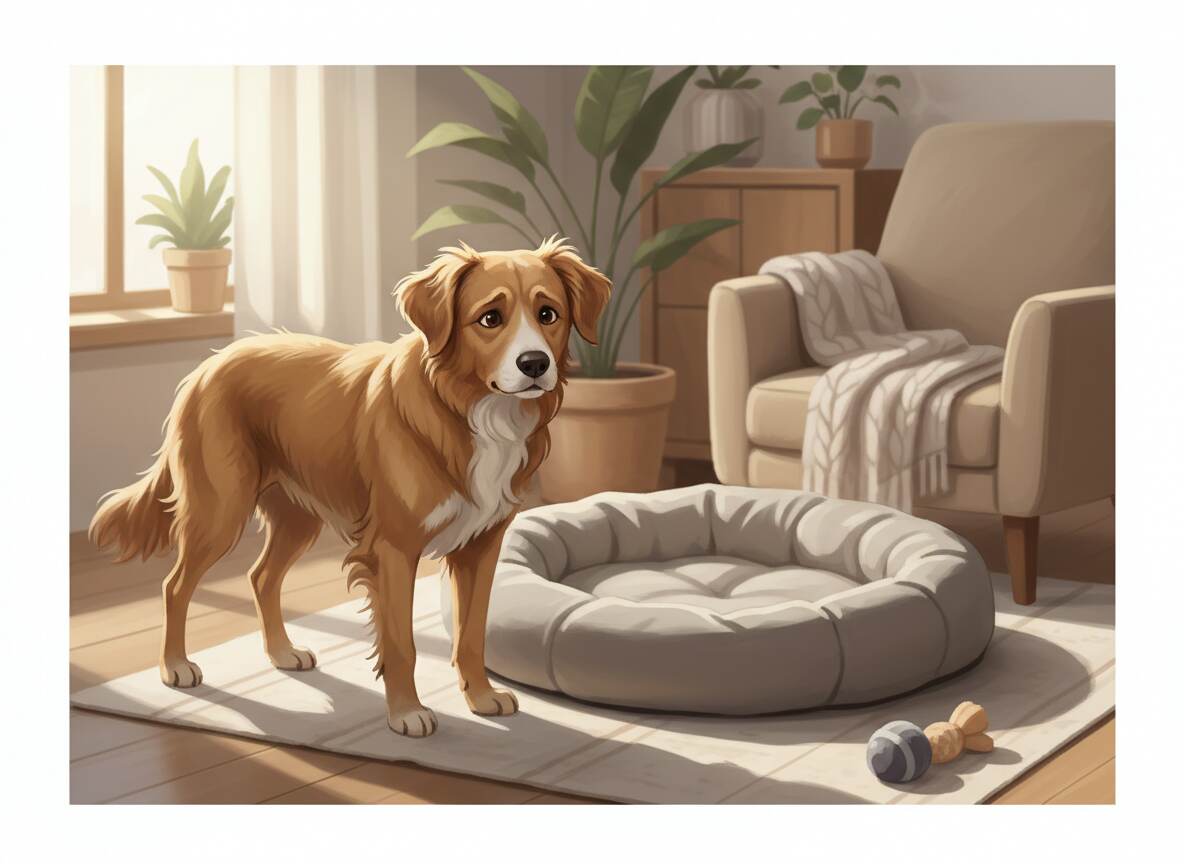
If your dog is suddenly restless, it can be one of the most unsettling behavior changes to watch. Restlessness can look like pacing from room to room, repeatedly standing up and lying down, circling, panting, whining, following you closely, staring at you, or acting like they can’t get comfortable. Sometimes it happens mostly at night. Sometimes it starts out of nowhere in the middle of the day.
And the frustrating part is this: restlessness is not a diagnosis. It’s a symptom. It can mean your dog is anxious, overstimulated, uncomfortable, in pain, nauseated, itchy, needing the bathroom, reacting to something in the environment, or developing a medical problem. It can also be something simple, like a routine change or too much pent-up energy. The key is figuring out what kind of restlessness you’re seeing and what else is happening alongside it.
This post will walk you through the most common causes, what to look for, what you can try at home, and when it’s time to call your vet.
Why Is My Dog Suddenly Restless?
First: what “restless” usually looks like in dogs
Different dogs show restlessness in different ways, but common signs include:
Pacing or wandering without settling.
Repeatedly changing sleeping spots.
Standing and staring, then lying down, then getting up again.
Panting when the room isn’t hot.
Whining, sighing, or “huffing.”
Following you closely and seeming unable to relax.
Circling before lying down more than usual.
Seeking odd places (bathroom floor, hallway, corners).
Acting “on edge” or jumpy.
Some of these can be normal once in a while. The red flag is when it’s sudden, persistent, or clearly out of character.
The two big buckets: behavioral vs. physical
Restlessness usually comes from one of two categories:
1) Behavioral or environmental causes
Stress, fear, routine changes, boredom, attention habits, overstimulation, noise triggers.
2) Physical discomfort or medical causes
Pain, nausea, itching, needing to pee/poop, medication side effects, illness, senior changes.
A dog can also have both at the same time. For example, a dog with mild stomach discomfort may become anxious and clingy, which increases pacing.
Common reasons dogs suddenly become restless
1) Your dog needs to go outside (more than you realize)
This is the simplest cause and it’s easy to miss, especially if your dog is house-trained and usually “holds it.”
Restlessness can happen when a dog:
- needs to poop but is constipated
- needs to pee urgently
- has diarrhea coming on
- has gas or abdominal discomfort
- has a urinary issue (more urgent, especially if straining)
Clues:
- pacing toward the door
- sniffing the floor
- suddenly asking to go out at odd times
- squatting frequently on walks with little output
- licking the genital area more than usual
If your dog is trying to pee and can’t, or seems painful while urinating, call your vet promptly.
2) Pain is one of the biggest causes of sudden restlessness
Dogs in pain often can’t settle. They may pace, pant, reposition constantly, or seem “wired.” Pain doesn’t always look like limping. It can be subtle.
Common pain sources:
- arthritis flare-ups (even in younger dogs if they have joint issues)
- back/neck pain (IVDD, muscle strain)
- dental pain
- ear infections
- abdominal pain (GI issues, pancreatitis, bloat risk)
- injury you didn’t see happen
Clues:
- reluctance to jump or climb stairs
- stiffness after resting
- guarding a body part
- flinching when touched
- hunched posture
- restlessness that’s worse at night or after activity
If restlessness is paired with panting, trembling, or a “can’t get comfortable” vibe, pain should be high on your list.
3) Anxiety, fear, and noise triggers
Dogs can become restless when they’re worried, even if the trigger isn’t obvious to you.
Common triggers:
- thunderstorms, wind, fireworks
- construction noise
- smoke alarms, beeps, electronics
- neighborhood dogs
- visitors, travel, schedule changes
- tension in the home
Clues:
- pacing + panting + clinginess
- hiding, shaking, ears back
- scanning the room, reacting to sounds
- wanting to be in the bathroom/closet (quiet spaces)
Some dogs show anxiety as hyperactivity rather than fearfulness. They look “busy,” not “scared.”
4) Too much energy, not enough outlet (especially in young dogs)
If your dog has had less exercise, less sniffing time, or less mental stimulation than usual, restlessness can be the overflow.
This is common when:
- weather changes reduce walks
- your schedule changes
- your dog is a working breed or high-energy mix
- your dog is a teenager (adolescent phase)
Clues:
- restlessness improves after a long sniff walk or play session
- “zoomies,” toy pestering, attention-seeking
- getting into mischief
Important: if your dog is restless because they’re under-stimulated, the fix isn’t just more running. Often it’s more sniffing, problem-solving, and structured play.
5) GI discomfort or nausea
A dog with mild nausea can act mostly normal but still be unable to settle. They may pace, lick lips, swallow repeatedly, drool, or eat grass.
Clues:
- lip licking, gulping, drooling
- refusing food or eating less
- burping, gurgling stomach sounds
- stretching in a “prayer” position
- vomiting or diarrhea (sometimes later)
If your dog is restless and also has repeated vomiting, diarrhea, or a painful belly, call your vet.
6) Itchiness, allergies, or skin irritation
Itch can make dogs restless because they can’t get comfortable. They may pace, scratch, rub their face, chew paws, or roll around.
Clues:
- licking paws
- scratching ears/neck
- rubbing face on furniture
- red skin, hotspots, dandruff
- frequent ear shaking
If your dog is restless and also itchy, treat it like discomfort, not “bad behavior.”
7) Heat, overheating, or poor sleep environment
Dogs can become restless if they’re too warm, especially thick-coated breeds or dogs in warm rooms.
Clues:
- panting
- seeking cool floors
- moving from bed to tile repeatedly
- restlessness mainly at night
Make sure the sleeping area is cool, ventilated, and comfortable.
8) Medication side effects
Some medications can cause restlessness, panting, or agitation. Steroids are a common example, but other meds can do it too.
If your dog started a new medication recently and restlessness began soon after, call your vet and ask if it could be related.
9) Senior changes and cognitive dysfunction
Older dogs can become restless due to:
- cognitive dysfunction (dog dementia-like changes)
- sensory decline (hearing/vision)
- pain
- sleep-wake cycle changes
Clues:
- pacing at night
- staring into space
- getting “stuck” in corners
- confusion, accidents
- changes in interaction
Senior restlessness is worth a vet conversation because there are often supportive options.
10) A serious emergency: bloat (GDV) or severe abdominal pain
This is rare, but important. If your dog is suddenly restless and cannot settle, and you also see:
- repeated retching with little or no vomit
- a swollen or tight abdomen
- drooling
- collapse or weakness
- pale gums
…treat it as an emergency and seek immediate veterinary care. Bloat can progress quickly.
How to figure out the cause (simple home checklist)
When restlessness starts, try to observe without panicking:
Step 1: check the basics
- Offer a bathroom break.
- Offer water.
- Check the room temperature.
- Look for obvious injury, limping, or tenderness.
- Note panting, trembling, drooling, lip licking.
Step 2: look for patterns
- Is it worse at night?
- Does it happen after meals?
- Does it happen when there’s noise outside?
- Does it improve after a walk or sniff time?
- Did anything change recently (routine, visitors, new pet, travel)?
Step 3: watch for red flags
- vomiting/diarrhea
- refusal to eat
- collapse, weakness
- bloated belly
- repeated unproductive retching
- signs of pain (trembling, hunched posture)
- trouble peeing/pooping
- sudden severe behavior change
If red flags are present, call your vet.
What you can do at home (when your dog seems otherwise okay)
If your dog is restless but not showing urgent symptoms:
Give a calm potty break and a slow sniff walk.
Sniffing is regulating for many dogs and can reduce anxious pacing.
Create a quiet, dim environment.
Lower stimulation: lights down, TV lower, reduce noise.
Offer a comfortable resting spot.
Some dogs settle better with a supportive bed, a cool mat, or a familiar blanket.
Try gentle enrichment.
A lick mat, stuffed Kong, or puzzle feeder can help anxious or bored dogs settle.
Avoid accidentally reinforcing attention pacing.
If your dog is restless for attention, constant soothing can sometimes keep the cycle going. Give calm reassurance, but don’t turn pacing into a big event.
What not to do
Don’t punish restlessness.
It’s usually discomfort or stress, not disobedience.
Don’t force exercise if your dog seems painful or unwell.
If it’s pain or illness, “wearing them out” can make it worse.
Don’t ignore sudden restlessness that persists.
Especially if your dog is older, has health conditions, or the behavior is new.
When to call the vet (rule of thumb)
Call your vet if:
- restlessness lasts more than a day or keeps returning
- it’s paired with appetite changes, vomiting, diarrhea, or lethargy
- your dog seems painful or can’t get comfortable
- your dog is a senior and this is new
- you suspect medication side effects
- you see any emergency signs (bloat symptoms, collapse, severe distress)
Final thoughts
A dog who is suddenly restless is usually trying to tell you something. Sometimes it’s simple: they need to go out, they’re too hot, they’re bored, or something in the environment is stressing them. Other times it’s physical discomfort: pain, nausea, itchiness, illness, or senior changes that make settling hard.
The most helpful approach is calm observation plus quick checks for comfort and safety. If your dog’s restlessness is persistent, intense, or paired with any other symptoms, trust your instincts and involve your vet. Restlessness is one of those signs that can look “minor” while still being meaningful.