Why Is My Dog Suddenly Not Eating but Acting Normal?
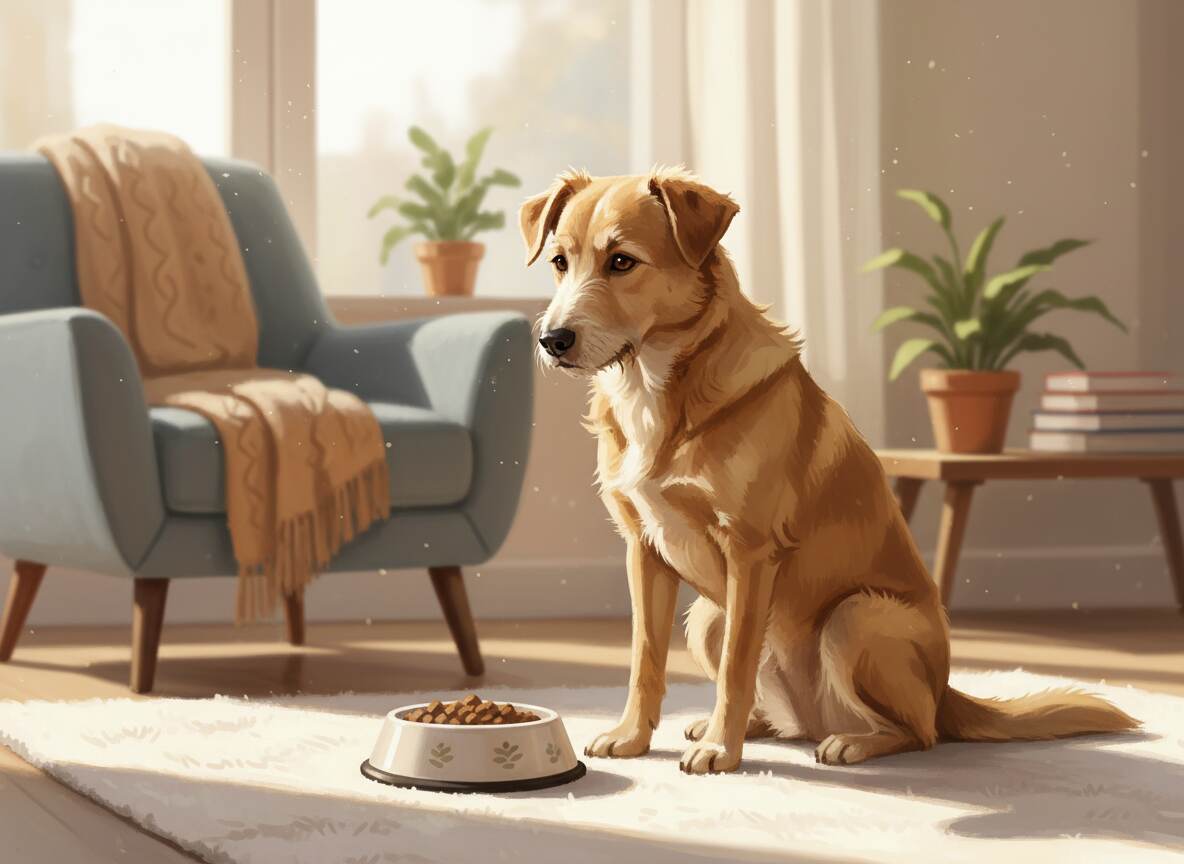
If your dog suddenly skips a meal but still seems happy, alert, playful, and otherwise completely fine, it can leave you feeling oddly stuck. On one hand, they are acting normal, which is reassuring. On the other hand, dogs usually love food, so when they turn their nose up at breakfast or dinner, it is hard not to wonder if something is wrong.
This situation is more common than a lot of owners expect. A dog can seem perfectly normal in every other way and still eat less than usual for reasons that range from harmless and temporary to more serious than they first appear. Sometimes it is as simple as pickiness, a routine change, weather, stress, or too many treats. Sometimes it is the beginning of nausea, dental pain, illness, or discomfort that has not yet become obvious in other ways.
The tricky part is that “acting normal” does not always mean everything is normal. Dogs can be surprisingly good at hiding discomfort, especially in the early stages. So while a skipped meal is not always an emergency, it is still something worth paying attention to.
Sometimes a dog just is not that hungry
Not every missed meal means there is a problem. Just like people, dogs can have days when they are less interested in food. Activity level, temperature, routine, excitement, and even mild digestive shifts can affect appetite. A dog who had a quieter day than usual, got extra treats, or ate something more filling earlier may simply not be as hungry at mealtime.
This is especially true if your dog skips one meal but then eats normally later and continues acting like themselves. In those cases, the change may be temporary and not especially concerning.
Too many treats or table scraps can reduce appetite
This is one of the most common and most overlooked reasons. If your dog has had extra treats, chews, scraps, training rewards, or snacks during the day, they may not be very interested in their regular food afterward. Some dogs are also smart enough to hold out if they suspect something better might appear.
That does not necessarily mean your dog is manipulative. It just means they have preferences and have learned how food works in your home. A dog who refuses kibble but perks up instantly for chicken, treats, or something new is not really showing a total loss of appetite. They may be showing selective appetite.
Stress can affect eating even if your dog seems okay
Dogs do not always show stress in dramatic ways. A schedule change, travel, visitors, loud noise, a new pet, a move, tension in the home, or even a change in your own routine can affect appetite. Some dogs pace or whine when stressed. Others simply eat less for a day or two while otherwise seeming fairly normal.
This can be confusing because the dog may still want walks, still greet you happily, and still appear mostly fine. But appetite is often one of the first things stress affects.
Weather and temperature can make a difference
Some dogs naturally eat less in hot weather. If it is warmer than usual, your dog may be drinking normally and behaving fine but showing less interest in food. This can happen without illness, especially in dogs who are less active during warmer days.
That said, reduced appetite in hot weather should still be watched carefully, especially if it comes with lethargy, panting, vomiting, or signs of overheating.
Routine changes can throw off appetite
Dogs are creatures of habit. Feeding time, walk time, household rhythm, and even where the bowl is placed can affect how willing they are to eat. If something about the routine has changed, your dog may hesitate at meals even if they seem normal in every other way.
This can happen after travel, moving furniture, switching feeding locations, changing bowls, feeding later than usual, or altering the household schedule. Some dogs adjust quickly. Others are surprisingly particular.
Food changes can cause hesitation
If you recently changed your dog’s food, opened a new bag, switched flavors, or even stored it differently, your dog may be reacting to the change. Some dogs are sensitive to smell, texture, freshness, or formula differences. Others simply dislike the new food.
A dog who is acting normal but refusing a new or recently changed food may not be sick at all. They may just be unconvinced. Still, if appetite drops after a food change, it is worth checking whether the food smells fresh, looks normal, and agrees with your dog’s stomach.
Mild nausea can show up before other symptoms
This is where things get a little less simple. A dog can feel mildly nauseated and still seem fairly normal overall. They may still wag their tail, go outside, and act interested in life, but food suddenly does not appeal to them. In some cases, nausea shows up before vomiting, diarrhea, or obvious lethargy.
You might notice lip licking, swallowing, grass eating, turning away from food, sniffing it and walking off, or seeming interested at first and then refusing. These can be subtle signs that your dog is not feeling quite right, even if they are not acting obviously sick.
Dental pain can make dogs avoid food
A dog with dental pain may still act normal in many ways, especially if the pain is mild or has been building gradually. But eating can become uncomfortable. Some dogs still want food but hesitate once they start chewing. Others approach the bowl, seem interested, and then back away.
Dental issues are easy to miss because dogs often keep acting cheerful despite discomfort. Bad breath, pawing at the mouth, chewing on one side, dropping food, or preferring softer foods can all point in this direction.
Pain elsewhere in the body can reduce appetite too
Appetite does not only change because of stomach problems. Dogs in pain from arthritis, injury, back issues, ear infections, or other discomfort may eat less even if they are still walking around and acting fairly normal. Pain can lower appetite before it changes everything else.
This is especially worth considering if your dog is older, has a history of joint issues, or seems just a little less comfortable than usual.
Your dog may be holding out for something better
Some dogs quickly learn that refusing their regular food leads to more exciting options. If your dog skips kibble and then receives treats, wet food, chicken, or hand-feeding, they may start repeating that pattern. In those cases, the issue is not really appetite loss. It is food preference and learned behavior.
This can be hard to sort out because the behavior still feels worrying at first. But a dog who refuses one food and eagerly accepts another is telling you something different from a dog who refuses everything.
When “acting normal” can be misleading
This is the part that trips a lot of people up. Dogs can look normal while still being in the early stages of a problem. They may still want attention, still go for walks, and still seem bright, but subtle illness can begin with appetite changes before anything else becomes obvious.
That does not mean every skipped meal is serious. It just means appetite is an important clue, even when everything else looks okay.
When it is probably less concerning
In many cases, it is less concerning if your dog:
- skips only one meal
- is still drinking water
- has normal energy
- is acting like themselves
- has no vomiting or diarrhea
- has had extra treats or a routine change
- eats later in the day
- still shows interest in food, even if picky
A single missed meal in an otherwise normal dog is often something to monitor rather than panic over.
When you should worry more
It is time to worry more if your dog:
- refuses multiple meals
- stops drinking
- vomits
- has diarrhea
- seems lethargic
- is hiding
- seems painful
- has a swollen belly
- is drooling excessively
- has trouble chewing
- loses weight
- is a puppy
- is a senior dog
- has a medical condition
- eats nothing at all for more than a day
It is also worth acting sooner if your dog is very small, medically fragile, or showing even subtle signs that something is off.
What to do at home
Start by looking at the full context. Did anything change recently? Has your dog had extra treats, less exercise, a stressful day, a new food, or a change in routine? Watch for subtle signs like lip licking, swallowing, pacing, bad breath, chewing changes, low energy, or bathroom changes.
Make sure fresh water is available and avoid flooding your dog with treats just to test appetite. If your dog seems bright and well otherwise, it is often reasonable to monitor closely for a short period. But if the appetite loss continues, or if any other symptoms appear, it is time to call your vet.
What not to do
Try not to panic after one missed meal, but also do not ignore a pattern just because your dog still seems cheerful. Avoid constantly switching foods, offering endless extras, or turning every meal into a negotiation, because that can make selective eating harder to untangle.
Most importantly, do not assume “acting normal” always means “nothing is wrong.” Dogs can stay surprisingly upbeat while still feeling unwell.
Final thoughts
If your dog is suddenly not eating but acting normal, the cause may be something mild like treats, routine changes, stress, weather, or food preference. But it can also be the first sign of nausea, dental pain, discomfort, or illness that has not fully shown itself yet.
That is why the best response is calm attention. Look at the whole picture, not just the bowl. If your dog misses one meal and then bounces back, it may be nothing serious. If the change continues or comes with any other symptoms, it deserves a closer look.
A dog who seems normal but is eating differently is still giving you useful information. Sometimes it passes quickly. Sometimes it is the earliest hint that your dog needs help.