Why Is My Dog Suddenly Hiding?
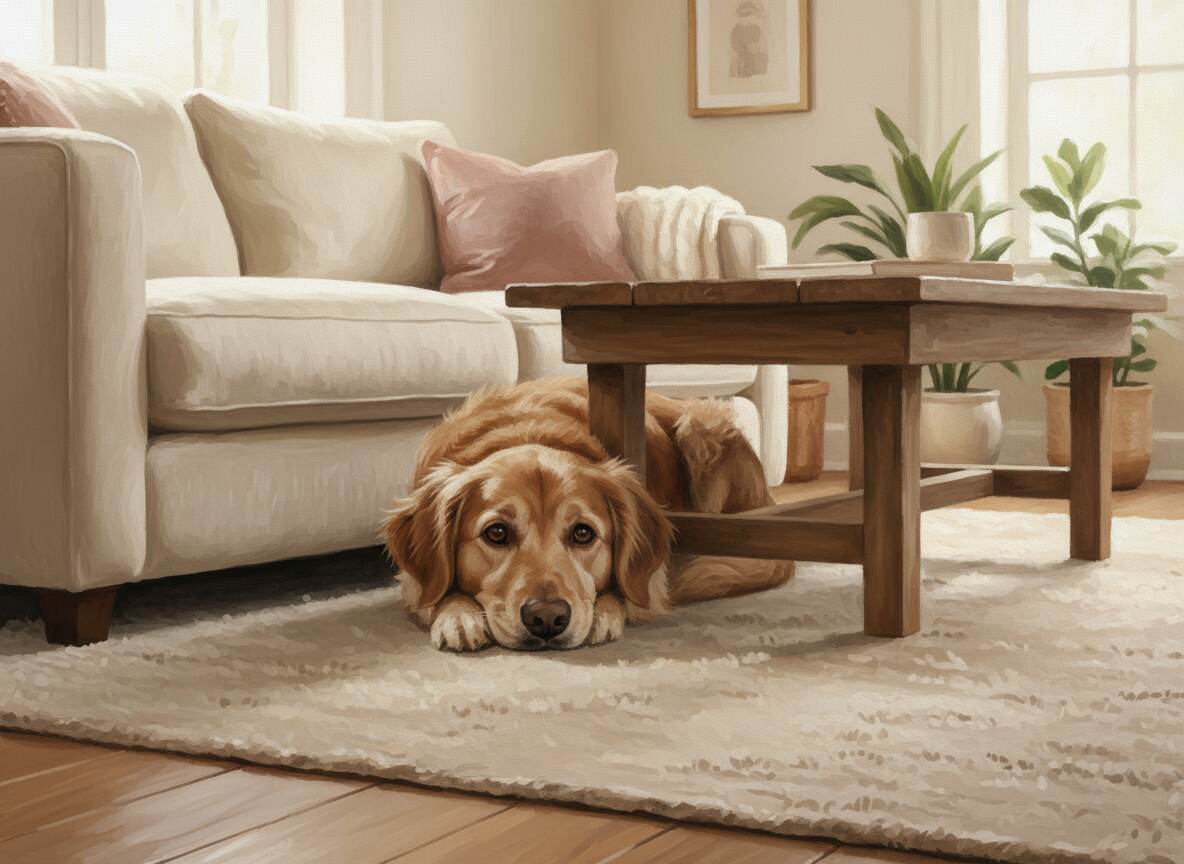
If your dog has suddenly started disappearing under tables, behind furniture, in closets, under beds, or in corners where they do not usually spend time, it can feel worrying very quickly. Most dogs are not quite as naturally secretive as cats, so when a dog starts hiding, owners often sense right away that something is off. And a lot of the time, they are right to pay attention.
Dogs do sometimes seek out quiet places to rest, cool down, or get away from household noise, and that can be perfectly normal. But sudden hiding is different. When a dog who is usually social, visible, and comfortable starts withdrawing or tucking themselves away, it often means something has changed. That change may be emotional, environmental, or physical. Sometimes it is temporary and easy to explain. Sometimes it is one of the clearest signs that your dog is stressed, frightened, in pain, or not feeling well.
The most important thing to understand is that hiding is not usually random. Your dog is not being dramatic or difficult. They are almost always responding to something, even if the reason is not obvious at first.
Hiding is not always abnormal, but a sudden change matters
Some dogs naturally like enclosed or tucked-away spaces. They may nap under a desk, rest behind the sofa, or choose a quiet corner when the house feels busy. Dogs often seek comfort in places that feel sheltered, especially if they are tired or want a break from noise and activity.
That part is not necessarily a problem. What matters is whether the behavior is new, more frequent than usual, or paired with other changes. A dog who has always loved sleeping under the dining table is different from a dog who suddenly vanishes under the bed and does not want to come out.
Any sudden shift in behavior deserves attention, especially when it involves withdrawal.
Fear is one of the most common reasons dogs hide
A frightened dog may hide because they are trying to feel safe. Loud noises, thunderstorms, fireworks, visitors, construction, unfamiliar animals, travel, slippery floors, or a stressful event can all trigger hiding behavior. Some dogs cope with fear by pacing or barking. Others shut down and retreat.
If your dog has recently experienced something startling or stressful, hiding may be their way of creating distance from whatever feels threatening. In many cases, the hiding spot itself tells you something. Dogs often choose places that are enclosed, dark, quiet, or farther away from activity because those spaces feel more secure.
This is especially common in sensitive dogs and dogs who are already a little nervous by nature.
Stress and household changes can trigger withdrawal
Dogs do not need a dramatic event to start hiding. Sometimes the cause is a change in routine or environment that feels small to you but big to them. A move, a new baby, houseguests, another pet, tension in the home, a schedule change, or even furniture being rearranged can affect behavior.
Some dogs become clingy when stressed. Others become quieter and more withdrawn. A dog who suddenly starts hiding after a household change may be trying to cope with feeling unsettled. In those cases, the behavior is not about disobedience. It is about self-protection and emotional regulation.
Pain is a major reason dogs suddenly hide
This is one of the most important possibilities to take seriously. Dogs often hide when they are in pain. A dog who feels physically uncomfortable may retreat because they want to be left alone, because movement hurts, or because they feel vulnerable. Pain can make even very social dogs seem distant or withdrawn.
Arthritis, injury, dental pain, stomach pain, back pain, ear infections, urinary discomfort, and many other issues can lead to hiding. Some dogs become irritable when they hurt. Others become quiet and hard to find. A dog who normally greets you happily but now stays tucked away may not be moody. They may be uncomfortable.
This is especially important if the hiding comes with stiffness, limping, reluctance to jump, changes in appetite, panting, trembling, licking, or sensitivity to touch.
Illness can make dogs withdraw from people
Just like pain, general illness can change how social a dog feels. Dogs who are nauseated, weak, feverish, dizzy, or simply unwell may hide because they do not feel like interacting. In the wild, sick animals often seek shelter and reduce activity, and that instinct has not disappeared completely in domestic dogs.
A dog who is suddenly hiding and also seems tired, uninterested in food, less playful, or unlike themselves should be watched carefully. Hiding can be one of the earliest signs that something is physically wrong.
Older dogs may hide for different reasons
If your dog is older, sudden hiding should always make you think about age-related changes. Senior dogs may hide because of pain, sensory decline, confusion, or cognitive dysfunction. A dog who cannot hear or see as well may feel less confident. A dog with joint pain may choose a quieter, more protected place to rest. A dog with cognitive changes may seem withdrawn or disoriented in ways that are easy to miss at first.
Older dogs can also become more sensitive to household noise, nighttime changes, and general overstimulation. If your senior dog has suddenly started hiding more, it is worth taking that seriously rather than assuming it is just part of getting older.
A bad experience can leave a lasting impression
Sometimes there is a very clear trigger. Maybe your dog was startled by a loud bang, slipped on the floor, had a stressful vet visit, got into a conflict with another dog, or was accidentally stepped on. Even if the event seemed minor to you, your dog may connect a room, sound, person, or situation with that unpleasant experience.
In those cases, hiding may be a fear response linked to memory. Your dog may avoid certain spaces or retreat more often because they no longer feel fully safe.
Conflict with other pets can be easy to miss
In multi-pet homes, hiding can sometimes be a sign of social tension. Dogs do not always show conflict in obvious ways. A more confident dog may block access to rooms, hover near resources, stare, crowd, or make another dog feel uncomfortable without any dramatic fight happening.
A dog who suddenly starts hiding may be trying to avoid that tension. This is especially worth considering if the behavior began after bringing home another pet, after a change in household dynamics, or if your dog seems more relaxed only when the other animal is not nearby.
New environments can make dogs seek cover
If you recently moved, traveled, adopted your dog, or changed where they sleep, hiding may be part of the adjustment process. Some dogs settle quickly in new places. Others need more time. A dog who is still learning the environment may choose tucked-away spaces because they feel safer than open rooms.
This kind of hiding can be temporary, especially if the dog is otherwise eating, drinking, and gradually becoming more comfortable. Still, even adjustment hiding deserves gentle support and observation.
Sometimes the hiding spot gives you clues
Where your dog hides can tell you a lot. A dog hiding in a dark enclosed place may be seeking safety. A dog hiding in a bathroom or on cool tile may be trying to manage discomfort, nausea, or heat. A dog hiding near you but not directly with you may want reassurance while still wanting space. A dog hiding in an unusual place, especially somewhere hard to access, may be trying very hard to avoid interaction.
The pattern matters too. Is your dog hiding only during storms? Only when guests visit? Only at night? Only after exercise? Those details can help narrow down whether the cause is fear, pain, routine-related, or something else.
When hiding is probably less serious
Hiding may be less concerning if there is a clear temporary trigger and your dog is otherwise acting normal. For example, if your dog hides during fireworks but comes back out once the noise stops, that is still something to address, but it is easier to understand. A dog who hides during a party because the house is loud and crowded may simply be overwhelmed and looking for quiet.
A dog who is still eating, drinking, going outside normally, and returning to their usual self once the trigger passes may not be dealing with a medical problem. Even so, the behavior is still information about what your dog finds stressful.
When you should worry more
It is time to worry more if the hiding is sudden, persistent, or paired with other changes. Red flags include:
- loss of appetite
- vomiting
- diarrhea
- limping
- stiffness
- panting
- trembling
- whining
- aggression
- confusion
- lethargy
- reluctance to move
- changes in bathroom habits
- sensitivity to touch
- a major behavior shift in an older dog
If your dog will not come out, seems distressed, or is hiding and also acting physically unwell, a vet visit is the safest next step.
What to do at home
Start by staying calm. Do not drag your dog out of hiding unless there is an emergency. Forced handling can increase fear and make the hiding spot feel even more necessary. Instead, give your dog some space, lower the noise level, and make sure they have access to water, food, and an easy path outside if needed.
Then look at the context. What changed recently? Was there a loud event, a new person, another pet, a routine shift, or any sign of pain or illness? Watch your dog’s body language, movement, appetite, and energy level. The goal is not just to stop the hiding. It is to understand why it started.
If the cause seems emotional or environmental, calm routine and gentle reassurance often help. If the cause may be physical, do not wait too long to get professional advice.
What not to do
Try not to punish your dog for hiding or force them to “face” whatever is upsetting them. Hiding is usually a coping behavior, not a bad habit. Punishment can increase fear, damage trust, and make the problem worse.
It is also not a good idea to assume your dog is just being antisocial. Dogs usually withdraw for a reason. The behavior deserves curiosity, not frustration.
Final thoughts
If your dog is suddenly hiding, there is usually something behind it. Fear, stress, pain, illness, aging, social tension, and environmental changes can all make a dog retreat. Sometimes the explanation is temporary and manageable. Sometimes it is a sign that your dog needs medical help or more emotional support.
The most important thing is to pay attention to the full picture. A dog who is simply overwhelmed may need quiet and reassurance. A dog who is hiding because they hurt or feel sick needs a closer look. Either way, sudden hiding is not something to brush off.
When a dog changes their behavior this noticeably, they are telling you something. The hard part is not getting them out from under the table. It is figuring out what made that spot feel safer than the rest of the world.