Why Is My Dog Suddenly Clingy?
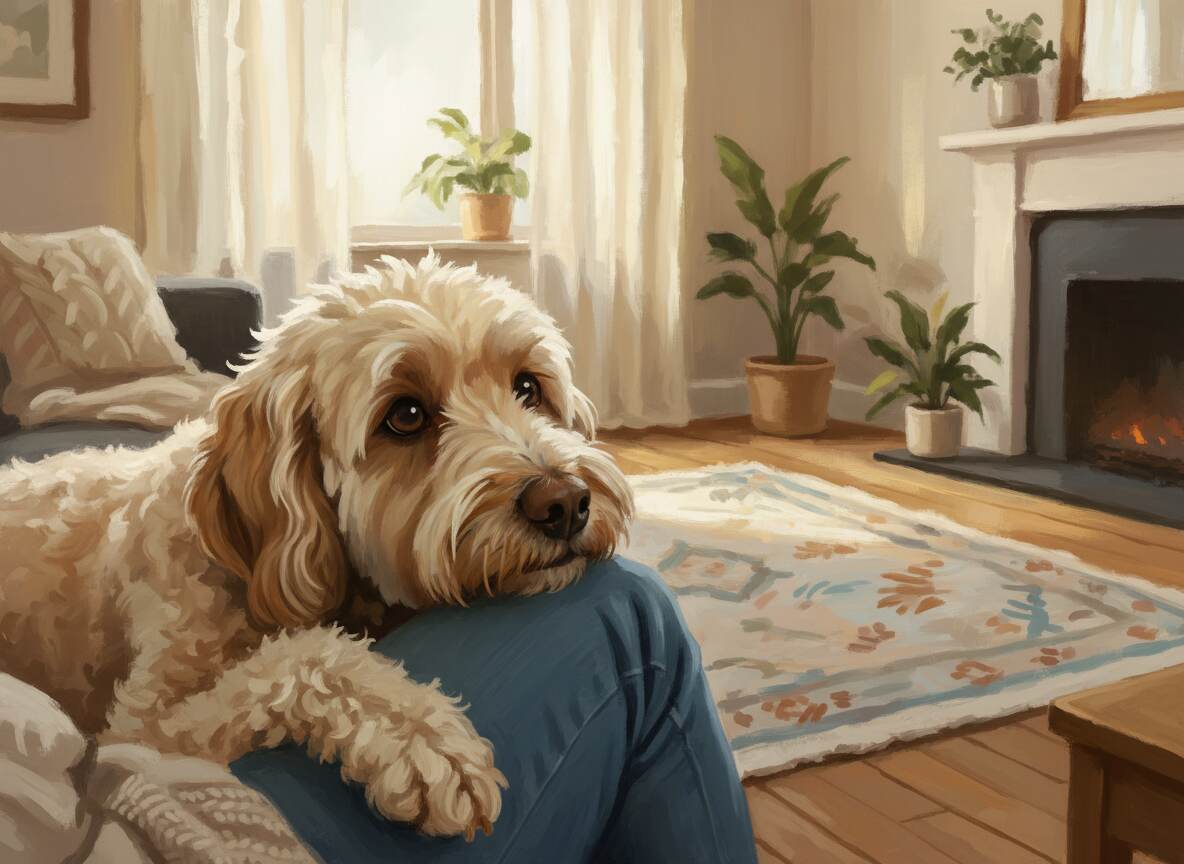
If your dog has suddenly started following you from room to room, leaning against your legs, pawing at you more often, refusing to settle unless you are nearby, or acting unusually needy, it can be sweet at first, but also a little worrying. A lot of dog owners notice this change and immediately wonder if something is wrong. Is your dog just extra affectionate, or could clingy behavior be a sign of stress, fear, aging, or illness?
The truth is, dogs can become clingy for a lot of reasons. Sometimes the explanation is simple and harmless. Sometimes it is emotional. Sometimes it is physical. And sometimes it is a mix of several things at once. What matters most is not just the clinginess itself, but whether it is new, how intense it is, and what other changes are happening alongside it.
A dog who has always loved being close to you may simply be showing their normal personality. But a dog who suddenly cannot seem to relax without you, especially if that behavior appears out of nowhere, is worth paying closer attention to. Sudden behavior changes often mean something has shifted in your dog’s world, even if the cause is not obvious right away.
Some dogs are naturally more attached than others
Before getting into the worrying possibilities, it helps to remember that some dogs are just naturally clingier than others. Breed tendencies, personality, early socialization, and life experience all shape how independent or people-focused a dog becomes. Some dogs are confident and happy to nap across the room. Others want to be involved in everything you do, from cooking dinner to going to the bathroom.
Breeds that were developed to work closely with humans often show stronger attachment behaviors. Companion breeds, velcro dogs, and highly social working breeds may naturally prefer constant closeness. That alone is not a problem.
The key word here, though, is suddenly. If your dog has always been a shadow, that is one thing. If your dog used to be relaxed and independent and now seems unable to leave your side, that is different.
Your dog may be responding to a change in routine
Dogs notice routine changes quickly, even the ones humans barely think about. If you have gone back to work, started working from home, changed your hours, been away more often, or had a recent disruption in the household, your dog may be reacting to that shift. Dogs often feel safest when life is predictable. When routines change, some become restless, anxious, or more dependent.
A dog who suddenly becomes clingy may be trying to stay close because your presence feels less predictable than it used to. If they are unsure when you are leaving, when you are coming back, or what the day now looks like, they may start monitoring you more closely.
This is especially common after holidays, moves, travel, illness in the household, or any period where the usual rhythm of life has changed.
Stress and anxiety are very common causes
One of the biggest reasons dogs become suddenly clingy is stress. Dogs may not understand household changes the way humans do, but they absolutely feel them. A move, a new baby, visitors, loud construction, another pet, tension in the home, storms, fireworks, or even a new smell or sound can make some dogs feel unsettled.
When a dog feels anxious, staying close to their person can become a coping strategy. Your dog may follow you because you feel safe, familiar, and stabilizing. In that sense, clinginess is not random. It may be your dog’s way of trying to regulate their emotions.
Some anxious dogs pace, pant, or hide. Others become extra attached. If the clinginess started after a stressful event or during a period of change, anxiety should be high on the list of possible reasons.
Separation anxiety can start or become more obvious
Sometimes clinginess is the daytime side of a bigger issue: separation-related stress. A dog who is suddenly glued to you may be showing early signs that they are struggling with being alone, or with the possibility of being left alone. They may watch your movements more closely, become distressed when you pick up keys or put on shoes, or seem unable to settle unless they know exactly where you are.
Not every clingy dog has separation anxiety, but the two can overlap. If your dog also whines when you leave, barks when alone, destroys things, has accidents indoors, or becomes panicked during departures, that points more strongly toward separation-related distress rather than simple affection.
This is one of the reasons context matters so much. Clinginess on its own is one thing. Clinginess plus panic around absence is another.
Illness or pain can make dogs seek more closeness
This is one of the most important things owners sometimes miss. Dogs often become more clingy when they do not feel well. Pain, nausea, weakness, dizziness, discomfort, or general illness can all make a dog want more reassurance and proximity. A dog who normally lounges across the room may suddenly want to press against you, lie at your feet, or follow you everywhere because they feel vulnerable.
This kind of clinginess is not always dramatic. Sometimes it is subtle. Your dog may simply seem “off” and more attached than usual. But if the behavior is new and comes with other changes, such as sleeping more, eating less, moving differently, trembling, panting, licking, restlessness, or changes in bathroom habits, a physical cause becomes more likely.
Dogs cannot tell you they feel unwell in words. Sometimes staying close is one of the clearest ways they show it.
Aging can change a dog’s behavior
Senior dogs often become more attached for reasons that are not always obvious at first. As dogs age, they may experience hearing loss, vision decline, joint pain, cognitive changes, or a reduced sense of confidence. A dog who once moved through the house independently may start wanting more reassurance simply because the world feels less easy to navigate than it used to.
Older dogs may also become clingier if they feel confused, especially in the evening or during changes in light. Some senior dogs seek more physical closeness because it helps them feel secure.
If your older dog has suddenly become clingy, it is worth looking carefully at the bigger picture. Age-related changes are common, but they should not be brushed off automatically. Sometimes behavior shifts are one of the earliest signs that a senior dog needs medical support.
Fear can make a dog stick close to you
Sometimes the reason is very immediate. Thunderstorms, fireworks, loud neighbors, unfamiliar guests, travel, slippery floors, a bad interaction with another dog, or even a stressful grooming or vet visit can leave a dog feeling shaken. In those moments, clinginess is often about safety.
A frightened dog may lean on you, follow you, refuse to leave your side, or seek physical contact more than usual. This is especially common in sensitive dogs and dogs who are already a little prone to nervousness.
If the clinginess seems tied to a clear trigger, the behavior may fade once your dog feels safe again. But if the fear keeps repeating, the clinginess may become a more lasting pattern.
Pregnancy, hormonal changes, or changes in the owner can play a role
Dogs are often very sensitive to changes in human scent, emotion, and routine. Some become more attached when their owner is pregnant, unwell, stressed, grieving, or going through a major life change. They may not understand the reason, but they often notice that something feels different.
This is one of the reasons clinginess can sometimes seem to come out of nowhere. Your dog may be reacting to a shift in you, not just a shift in themselves. While this is not always the explanation, it is worth considering if the timing lines up with a major change in your life or health.
Reinforcement can make clingy behavior stronger
Sometimes a dog starts out mildly attached for a real reason, then the behavior grows because it gets reinforced. If your dog follows you and you pet them every time, talks to them constantly, or pick them up whenever they seem needy, they may learn that staying close gets lots of rewarding interaction.
That does not mean you caused the problem or that affection is bad. It just means dogs repeat behaviors that work. A dog who gets comfort, attention, or treats for clingy behavior may start doing it more often, even after the original trigger has faded.
This is why it helps to look at both the cause of the clinginess and the pattern that keeps it going.
Multi-pet households can change behavior too
If you have more than one pet, clinginess can sometimes be a response to tension, competition, or insecurity. A dog who feels unsettled by another pet may stick closer to you for reassurance. This does not always mean there is obvious fighting. Sometimes the signs are subtle: crowding, staring, resource guarding, blocking access, or one pet making another feel less secure.
A dog who suddenly becomes clingy after a new pet arrives, or after the dynamic between pets changes, may be responding to that social stress.
When clinginess is probably harmless
Clingy behavior is often harmless when your dog otherwise seems healthy, relaxed, and like themselves. If they are eating normally, sleeping normally, enjoying walks, playing, and simply wanting a bit more closeness, the behavior may be emotional but not dangerous. Some dogs go through phases of extra attachment, especially after schedule changes, travel, or mild stress.
A dog who follows you more after a family trip, during bad weather, or after a small disruption may simply need time to settle back into their normal rhythm.
When you should worry more
Clinginess becomes more concerning when it is sudden, intense, or paired with other symptoms. If your dog seems distressed, restless, shaky, painful, confused, unusually tired, not interested in food, or unlike themselves in any other way, it is important to consider a medical or serious emotional cause.
Red flags include:
- panting without a clear reason
- pacing
- trembling
- loss of appetite
- vomiting
- diarrhea
- limping or stiffness
- hiding
- whining
- unusual aggression
- confusion
- nighttime restlessness
- a major shift in behavior in a senior dog
If the clinginess feels different from your dog’s normal personality, trust that instinct. Owners often notice that something is off before they can explain exactly what it is.
What to do if your dog is suddenly clingy
Start by looking at the timing. Ask yourself what changed recently. Has there been a move, a new person, a new pet, a schedule shift, travel, loud weather, illness, or anything else that may have unsettled your dog? Sometimes the answer becomes clearer once you look at the bigger picture.
Then look at your dog’s body language and daily habits. Are they eating and drinking normally? Moving comfortably? Sleeping well? Acting playful at times? Or do they seem tense, tired, restless, or physically off?
If your dog seems otherwise healthy, focus on calm routine and reassurance without accidentally building dependence. Keep feeding, walks, rest, and play as predictable as possible. Offer comfort, but also encourage confidence through normal activities, enrichment, and quiet independence.
If your dog seems unwell, painful, panicked, or dramatically different, a vet visit is the right next step. It is always better to rule out a physical problem than to assume the behavior is just emotional.
How to help without making it worse
A lot of owners worry that comforting a clingy dog will “reward” anxiety. In real life, it is not that simple. A scared or unsettled dog does need support. The goal is not to ignore them completely. The goal is to respond in a calm, steady way rather than turning the moment into a big emotional event.
That means keeping your own energy relaxed, maintaining routine, using gentle reassurance, and giving your dog chances to settle independently too. Think support, not panic. If the clinginess is mild and temporary, that balance often helps more than either overreacting or pushing the dog away.
Final thoughts
If your dog is suddenly clingy, there is usually a reason behind it. Stress, routine changes, fear, aging, illness, pain, and separation-related anxiety can all make a dog want more closeness than usual. Sometimes the explanation is simple. Sometimes it takes a little detective work.
The most important thing is to pay attention to the full picture. A dog who is just a little extra affectionate may simply need time and reassurance. A dog who seems clingy and also unwell, distressed, or unlike themselves needs a closer look.
In many cases, clinginess is your dog’s way of saying they feel safest near you. That can be sweet, but when it appears suddenly, it is also information. And with dogs, sudden changes in behavior are always worth taking seriously.