Why Does My Cat’s Breath Smell Bad?
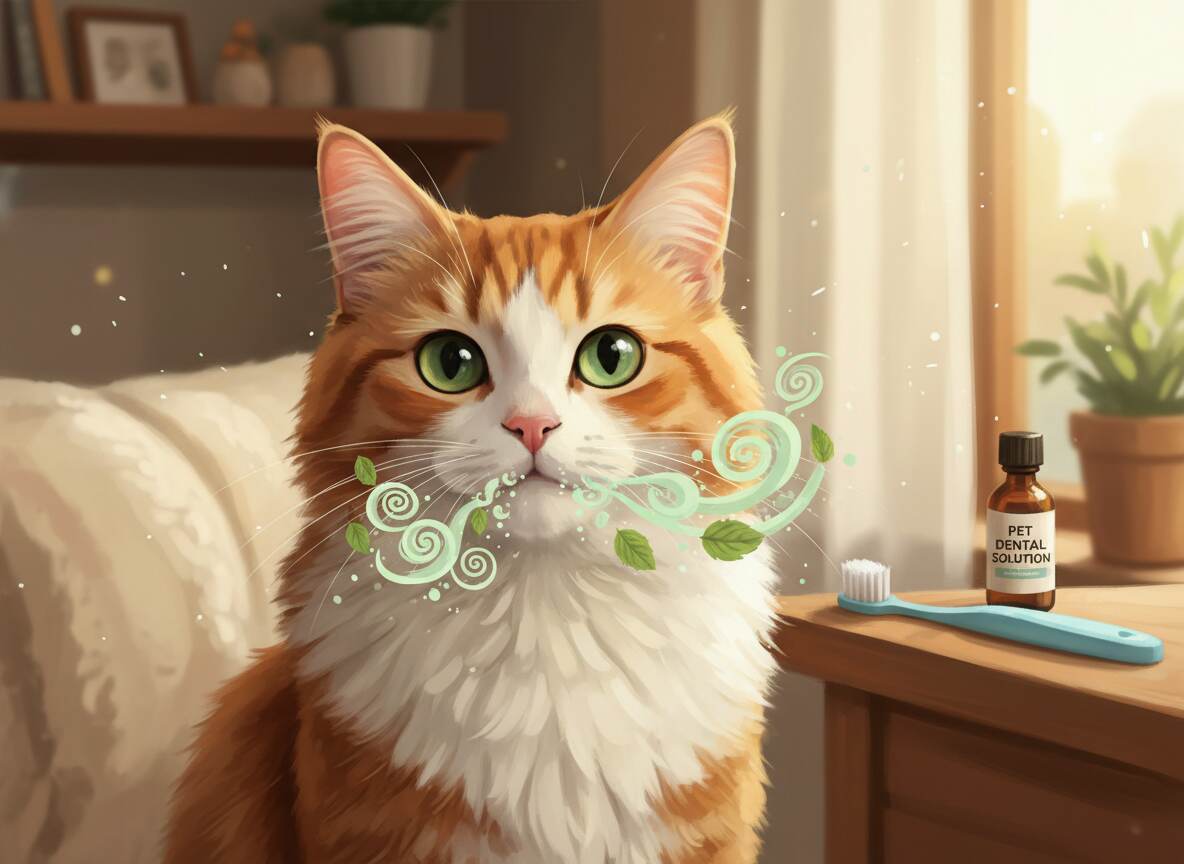
If your cat’s breath has suddenly gone from mildly unpleasant to something strong, sour, rotten, fishy, or just impossible to ignore, you are not overreacting. A lot of cat owners notice bad breath and assume it is normal because cats eat meat, groom themselves constantly, and are not exactly known for minty-fresh mouths. But while a cat’s breath is not supposed to smell like toothpaste, very bad breath usually is not something to shrug off.
In many cases, bad breath in cats is a sign that something is going on in the mouth. Dental disease is one of the most common reasons, especially as cats get older. Plaque builds up, tartar forms, bacteria multiply, and the gums become irritated. That combination can create a very noticeable smell. But dental disease is not the only possible explanation. Bad breath can also be linked to mouth ulcers, infection, something stuck in the mouth, digestive upset, kidney disease, diabetes, or other health problems.
That is why bad breath matters. It is not just an annoying smell. It can be one of the earliest signs that your cat is uncomfortable, in pain, or dealing with a health issue that needs attention.
Is bad breath ever normal in cats?
This is one of the first things most owners want to know, and the honest answer is yes, to a degree. Cats do have a natural mouth smell, especially after eating wet food, fish-based food, or treats with a strong odor. A mild smell after meals is not unusual. Some cats also just have a naturally stronger mouth odor than others without it meaning something is seriously wrong.
What is not normal is breath that smells intensely foul, rotten, metallic, sour, or consistently offensive. If your cat opens their mouth near you and the smell is strong enough to make you pull away, that is usually a clue worth paying attention to. If the odor seems new, stronger than usual, or paired with other changes, it becomes even more important.
Cats are very good at hiding discomfort. They often keep eating, moving around, and acting fairly normal even when something hurts. That means bad breath may show up before more obvious signs do.
The most common cause: dental disease
For many cats, the answer starts with the teeth and gums. Plaque forms on the teeth after eating. If it is not removed, it hardens into tartar. Tartar creates a rough surface where bacteria can collect more easily, especially near the gumline. Over time, this can lead to gingivitis, which is inflammation of the gums, and eventually periodontal disease, which affects the tissues supporting the teeth.
As bacteria build and the gums become irritated, the smell often gets worse. Owners may also notice yellow or brown buildup on the teeth, red gums, drooling, chewing changes, or a cat who seems less interested in dry food. Some cats start eating more slowly. Some tilt their heads while chewing. Some stop grooming as well because the mouth hurts.
One of the difficult things about dental disease in cats is that it can be more advanced than owners realize. Cats often do not make a big show of pain. They may still ask for food and try to eat even when the mouth is sore. That is one reason bad breath is such a useful clue.
Why the smell gets so strong
It helps to understand what is actually creating the odor. Plaque is made up of bacteria, saliva, and food particles. When it stays on the teeth, it hardens into tartar. Bacteria thrive in that environment, especially when the gums are inflamed or infected. The smell comes from bacterial activity, trapped debris, irritated tissue, and sometimes infection deeper in the mouth.
This is also why breath-freshening treats or water additives may only help for a short time. If the underlying issue is still there, the smell usually returns. A temporary improvement in odor does not always mean the real problem has been solved.
Gingivitis and periodontal disease in cats
Cats are especially prone to gum problems, and gingivitis can develop earlier than many owners expect. In the early stages, the gums may look slightly red where they meet the teeth. As inflammation worsens, the gums may bleed more easily, become swollen, and start to pull away from the teeth. Once the deeper tissues are involved, periodontal disease can lead to pain, infection, and even tooth loss.
This matters because bad breath is often one of the first signs owners notice, while the disease itself may already be progressing below the surface. A cat with periodontal disease may not just have smelly breath. They may have chronic discomfort every time they eat, groom, yawn, or close their mouth.
Other mouth-related causes of bad breath
Dental disease is common, but it is not the only mouth problem that can cause odor. Cats can also develop bad breath from mouth ulcers, oral infections, broken teeth, resorptive lesions, tumors, or something stuck between the teeth. Some of these issues are surprisingly painful, even if the cat is trying hard not to show it.
Mouth ulcers can make the breath smell especially unpleasant because the tissue is inflamed and damaged. Infections can create a strong rotten odor. A broken tooth can expose sensitive tissue and allow bacteria in. Something as simple as a bit of food or debris lodged in the mouth can also create a smell if it stays there and irritates the area.
Cats with oral pain may drool, paw at the mouth, avoid crunchy food, chew awkwardly, or seem less interested in grooming. Some become quieter or more withdrawn. Others may still act normal except for the smell.
A condition many cat owners have never heard of: tooth resorption
One reason cat dental problems can be confusing is that cats are prone to a painful condition called tooth resorption. This happens when part of the tooth begins to break down. It can affect one tooth or several, and it is often very painful. Some cats with tooth resorption have bad breath, mouth sensitivity, chattering when the mouth is touched, or sudden reluctance to eat certain foods.
The frustrating part is that these lesions are not always obvious from the outside. A tooth may look mostly normal to an owner while still being very painful. That is one reason a cat with bad breath and subtle eating changes may still need a proper veterinary dental exam.
Could food be causing the smell?
Sometimes, yes, but usually not on its own. Fish-based foods, wet foods, and certain treats can leave a stronger odor in the mouth for a while. If your cat has just eaten something pungent, the breath may smell stronger temporarily. That is not unusual.
But food alone usually does not cause severe, ongoing bad breath. If the smell is persistent, strong, or worsening, there is often something more going on than dinner. It is easy to blame the food because that feels simple, but chronic bad breath usually deserves a closer look at the mouth and overall health.
Can hairballs or stomach issues cause bad breath?
Sometimes digestive issues can affect breath, especially if a cat is vomiting, regurgitating, or dealing with frequent stomach upset. A cat that is bringing food back up may have a sour smell on the breath. Chronic nausea can also change how the mouth smells, especially if the cat is not eating normally or is drooling more.
Hairballs themselves are not usually the main cause of ongoing bad breath, even though they are often blamed. A cat who coughs up hairballs occasionally may have temporary odor around the mouth, but persistent bad breath is more often linked to dental or medical issues than to hairballs alone.
When bad breath may signal something more serious
This is the part that owners understandably worry about, and while it is important not to panic, it is also important not to ignore unusual breath smells. Certain medical conditions can change the odor of a cat’s breath in ways that may offer clues.
Cats with kidney disease may develop breath that smells ammonia-like or urine-like. Cats with diabetes can sometimes have breath that smells sweet or fruity. Severe mouth infection, digestive disease, and other illnesses can also affect breath odor. If your cat’s breath smells unusually strange rather than just bad, or if the smell comes with weight loss, increased thirst, vomiting, lethargy, or appetite changes, it is a good idea to contact a vet.
Signs to watch for besides the smell
Bad breath becomes more meaningful when it appears alongside other symptoms. Red gums, drooling, pawing at the mouth, chewing on one side, dropping food, eating more slowly, avoiding hard food, weight loss, reduced grooming, and visible tartar can all point toward a mouth problem.
Some cats also hide under furniture more, seem less social, or stop playing as much when they are in pain. Others become irritable when touched around the face. Because cats are subtle, these small changes matter.
Can you brush a cat’s teeth to help bad breath?
Yes, brushing can help, and it is one of the best things owners can do at home for long-term dental health. But cat tooth brushing is often easier said than done. Some cats tolerate it surprisingly well if they are introduced to it slowly. Others act as if you have personally betrayed them forever.
If your cat is willing, brushing with a cat-safe toothpaste can help remove plaque before it hardens into tartar. That matters because plaque is one of the main drivers of bad breath. Daily brushing is ideal, but even a few times a week can be helpful if your cat accepts it.
The key is to go slowly. Let your cat taste the toothpaste first. Get them used to having the lips touched. Start with a finger brush or soft brush and focus on the outside surfaces of the teeth. Keep sessions short and calm. Trying to force a full dental routine on a stressed cat usually backfires.
It is also important to use only toothpaste made for pets. Human toothpaste is not safe for cats to swallow, and some ingredients can be harmful.
Do dental treats and water additives work for cats?
They can help in some cases, but they are often oversold. Dental treats may reduce some surface buildup for certain cats, especially if the product is designed specifically for oral health and the cat actually chews it rather than swallowing it quickly. Water additives may improve odor a little for some cats. Dental gels and wipes can also be useful for cats who will not tolerate a brush.
Still, these products are best thought of as support tools rather than complete solutions. If your cat already has significant tartar, inflamed gums, mouth pain, or a deeper dental problem, a treat is not going to fix that. It may make the breath smell slightly better for a while, but the underlying issue often remains.
That does not mean these products are pointless. They can be part of a realistic home routine. But they should not create a false sense that a serious dental problem is being handled when it is not.
What if my cat will not let me near the mouth?
That is extremely common, and it does not mean you are doing anything wrong. Cats are sensitive about their faces, and a painful mouth makes that even harder. If your cat refuses mouth handling, the first step is not to force it. Instead, focus on what you can observe from a distance. Is your cat drooling? Eating more slowly? Turning away from dry food? Pawing at the mouth? Grooming less? Acting uncomfortable after meals?
If the breath smells bad and your cat will not let you look or touch the mouth at all, there is a good chance discomfort is part of the picture. In that situation, a veterinary exam is often more useful than continuing to push at home.
Could the food bowl be part of the problem?
Sometimes the smell is not entirely coming from inside the body. Wet food residue around the mouth, food stuck in the fur, or a bowl that is not cleaned often enough can all contribute to unpleasant smells around the face. This is especially true in flat-faced cats or cats who are messy eaters.
That said, this kind of odor is usually easier to identify because it tends to smell like old food rather than deep mouth odor. If the smell seems to come directly from the breath and keeps returning even after your cat has cleaned up, the cause is more likely to be inside the mouth or body.
When bad breath points to pain
One of the biggest reasons not to ignore bad breath in cats is that it often goes hand in hand with pain. Cats are masters at hiding discomfort, so the signs may be subtle. A cat may still come running for dinner but then hesitate once the food is in front of them. They may chew on one side, drop kibble, lick their lips after trying to eat, or walk away and come back later.
Some cats stop grooming properly because licking becomes uncomfortable. Others become less social, sleep more, or seem grumpier than usual. These changes can be easy to miss if they happen gradually. Bad breath may be one of the few obvious signs that something is wrong.
When to call the vet
If your cat’s bad breath is strong, persistent, or getting worse, it is worth contacting your vet. You should be especially cautious if you also notice red gums, drooling, mouth sensitivity, visible tartar, weight loss, reduced appetite, vomiting, increased thirst, or changes in behavior.
A vet can check for dental disease, infection, ulcers, resorptive lesions, broken teeth, oral masses, and signs of medical problems that may be affecting the breath. In many cases, a professional dental cleaning may be recommended if tartar buildup is already significant.
This is important because dental disease often extends below the gumline, where you cannot see it and where home care cannot reach. A cat may need more than a simple cleaning if there are damaged teeth or painful lesions involved.
Why home care is still worth it
Even if your cat eventually needs a professional dental cleaning, home care still matters. It helps with prevention, supports long-term oral health, and may reduce how quickly plaque builds up again after treatment. A lot of owners feel discouraged when they hear their cat needs veterinary dental work, as if brushing or treats somehow failed. But some cats are simply more prone to dental problems, and many owners were never shown what early warning signs look like.
The goal is not perfection. The goal is noticing problems early, reducing discomfort, and building a routine that helps your cat stay healthier over time.
How to help prevent bad breath long term
The best long-term approach is a mix of regular observation, home dental care where possible, and veterinary attention when needed. If your cat tolerates brushing, that is one of the most effective habits you can build. If not, other dental support products may still be worth discussing with your vet. Routine checkups matter too, especially as cats get older.
It also helps to get familiar with what is normal for your own cat. Some owners only notice bad breath once it becomes severe because they are not used to checking the mouth area. A quick look now and then, along with paying attention to eating and grooming habits, can help you catch changes sooner.
The bottom line
If your cat’s breath smells bad, there is usually a reason. Most often, that reason is dental disease or another mouth problem, not just normal cat breath. Sometimes the cause is relatively simple. Other times, it may point to pain, infection, or a health issue that needs prompt attention.
The most helpful thing you can do is take the smell seriously without panicking. Look for other clues, think about your cat’s eating and grooming habits, and do not ignore breath that is strong, persistent, or clearly different from usual. Cats are subtle, and bad breath is often one of the clearest signs they give us that something is not right.
It may seem like a small issue at first, but in many cases, it is one of the best early warnings you can catch.