Why Does My Cat Knead Blankets and People?
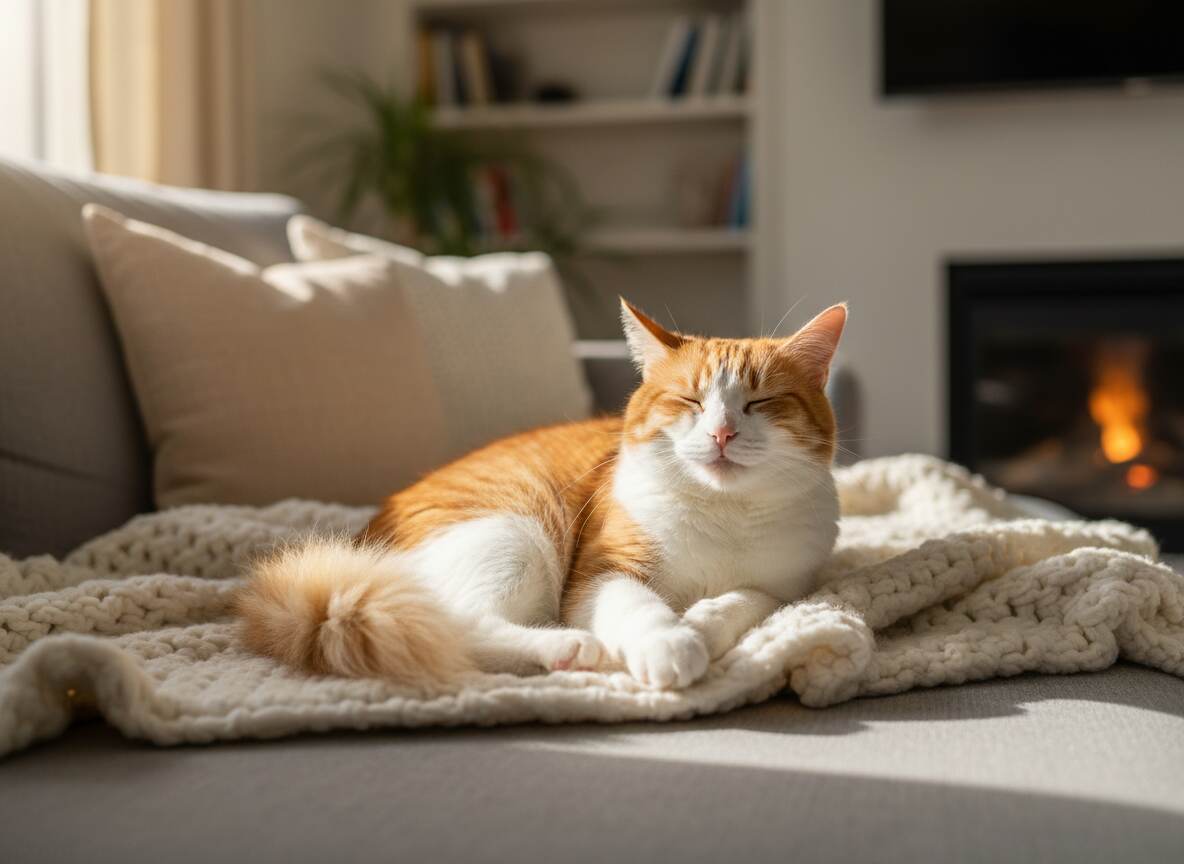
If your cat kneads blankets, pillows, your lap, your stomach, or that one soft hoodie you love, it can look adorable and slightly unhinged at the same time. The little paws, the slow push-push motion, the serious face. Sometimes there’s purring. Sometimes there’s drooling. Sometimes there are claws involved and you’re trying to act honored while quietly bleeding.
Kneading is one of those classic cat behaviors that feels very emotional, like it must mean your cat is deeply attached to you. And honestly, a lot of the time it does. But kneading can also be about comfort, habit, scent, and even stress relief. It’s not always one single reason.
This is a deep dive into why cats knead, why they do it on people, why some cats knead more than others, and when kneading might be a sign that something else is going on.
Why Does My Cat Knead Blankets and People?
What kneading actually is (and why it looks so specific)
Kneading is when a cat rhythmically presses their front paws into something soft, usually alternating left and right. It’s sometimes called “making biscuits,” which is a cute way of saying your cat is acting like a tiny bread maker on your body.
Most cats knead with their front paws, but some use all four paws or add little kicks with the back legs. Some cats purr loudly while kneading. Some stare into the distance like they’re having a spiritual experience. Some drool. Some suckle the blanket. Some do it for ten seconds and move on. Others will knead for five full minutes like they’re trying to remodel your lap.
The reason it looks so instinctive is because it is. Kneading is a behavior that starts very early in life.
The big origin story: kittenhood and nursing
The most common explanation for kneading is that it comes from kitten behavior. When kittens nurse, they knead their mother’s belly and the area around the nipples. This helps stimulate milk flow. It’s comforting, it’s warm, and it’s associated with safety and being cared for.
Even when cats grow up and no longer nurse, the kneading motion can stick around because it’s basically wired into their early comfort system. It becomes a self-soothing behavior. It’s like a cat version of settling in, relaxing, and feeling safe.
So when your adult cat kneads a blanket or your lap, they may be tapping into that same “I am safe and cozy” feeling from kittenhood.
Comfort is a huge part of it
A lot of kneading is simply your cat getting comfortable. Cats often knead right before they settle down for a nap. They’re testing softness, shaping the surface, and making it feel right.
If you watch closely, kneading often happens in very specific moments:
- right before sleep
- when a cat is very relaxed
- when they climb onto a soft blanket
- when they’re on a favorite person
- when they’re purring and half-asleep
It’s not always deep emotional meaning. Sometimes it’s just, “This is the perfect texture and I’m getting comfy.”
Why cats knead blankets so much
Blankets are basically kneading heaven. They’re soft, warm, and they bunch up in a way that gives a satisfying push-back. Some cats have one specific blanket they love and will knead it like it’s their job.
Blankets can also hold scent really well. If your cat has kneaded and slept on a blanket repeatedly, it becomes a familiar comfort object. It smells like them. It smells like you. It smells like home. That can make it even more appealing.
Some cats also knead fuzzy blankets more than smooth ones because the texture feels closer to fur. That’s not a scientific statement, it’s just a pattern a lot of owners notice.
Why cats knead people (and what it usually means)
When your cat kneads you, it often means you are part of their comfort zone. You are warm, soft, familiar, and safe. Your cat may be bonding with you, showing affection, and settling in.
A lot of cats knead people specifically when they’re feeling emotionally “full,” like they’re happy and relaxed and want closeness. If your cat kneads you while purring, blinking slowly, or curling up afterward, that’s usually a very positive sign.
It’s also worth saying this: cats don’t knead people they don’t trust. If a cat is truly uncomfortable with someone, they usually won’t climb onto them and start doing a vulnerable, cozy behavior like kneading.
So yes, it can be a compliment. A painful compliment, but still.
Scent marking is part of kneading too
Cats have scent glands in their paws. When they knead, they can leave scent behind. This isn’t the same as spraying or rubbing their face on something, but it’s still part of how cats claim and label their world.
So kneading can be a mix of:
- “this feels good”
- “this is mine”
- “this is safe”
- “this is where I settle”
That’s why cats often knead favorite blankets, favorite spots on the couch, and favorite people. They’re reinforcing familiarity.
Some cats knead when they’re excited or happy to see you
Not all kneading happens at bedtime. Some cats knead when you come home, when you sit down, or when they’re getting attention. It can be an emotional overflow behavior, like they’re so pleased that they have to do something with their paws.
If your cat kneads while you pet them, they may be responding to that comfort and affection. It’s not always a deliberate message, it’s more like a reflexive “this feels amazing.”
Why some cats drool or purr intensely while kneading
Drooling during kneading is surprisingly common. It’s usually a sign of deep relaxation. Some cats drool when they’re extremely content, especially if kneading is tied to that kitten comfort memory.
Purring is similar. Kneading and purring often go together because both are associated with comfort and safety. Some cats purr so loudly while kneading that it sounds like a motor starting up.
If your cat drools a little while kneading but otherwise has normal appetite, normal breath, and no mouth pain, it’s often just a happy thing. If drooling is new, excessive, or paired with bad breath, pawing at the mouth, or eating changes, then it’s worth checking dental health.
Why some cats knead and bite or “love bite”
Some cats knead and then gently bite the blanket or even your shirt. This can be part of a comfort routine. It can also be mild overstimulation. Cats sometimes get a little overwhelmed by how good something feels, and they respond with a bite.
If the bite is gentle and your cat is relaxed, it’s usually not aggression. If your cat is biting hard, grabbing with claws, or getting frantic, they may be overstimulated and need a break.
Kneading and “making a nest” instincts
Cats have a natural instinct to create a comfortable resting spot. Wild cats might press down grass or leaves to make a safe place to sleep. Domestic cats don’t have grass nests, but they do have blankets, beds, and laundry piles.
Kneading can be part of that nest-making behavior. Your cat might be flattening, shaping, and preparing the spot before they lie down. That’s why kneading often ends with your cat circling and then settling.
Why some cats knead more than others
Some cats knead constantly. Some rarely do it. This can come down to:
- personality and temperament
- how comfort-seeking the cat is
- early kitten experiences
- how much the cat was nursed or weaned early (sometimes early-weaned cats knead and suckle more)
- stress levels
- how much soft, cozy stuff is available
There’s also a simple truth: some cats are just more emotional with their bodies. Some cats express comfort through kneading. Others express it by headbutting, purring, or sleeping nearby.
Can kneading be a sign of stress or anxiety?
Sometimes, yes. Kneading is usually a happy comfort behavior, but it can also be a self-soothing behavior. If your cat is kneading more than usual, or kneading in a frantic, repetitive way, it can be a sign they’re trying to calm themselves.
This is more likely if kneading is paired with:
- increased clinginess
- hiding
- over-grooming
- changes in appetite
- litter box changes
- more vocalizing
- restlessness
If your cat’s kneading suddenly increases after a move, new pet, schedule change, or household stress, it may be part of their coping toolkit.
That doesn’t mean it’s bad. It just means your cat might need a little extra stability and comfort.
When kneading might be a problem
Kneading itself is usually normal. The problems are usually about the side effects.
1) Claws
Some cats knead with claws fully out. It hurts. It can snag clothes, scratch skin, and make you dread cuddle time.
2) Compulsive patterns
If kneading becomes constant, hard to interrupt, or paired with chewing/suckling that damages fabric, it may be more of a compulsive comfort habit.
3) Suckling and eating fabric
Some cats knead and then suckle blankets, which can be harmless. But if your cat chews or eats fabric, that becomes a safety issue.
4) Pain or discomfort
If your cat kneads and then suddenly seems uncomfortable, bites, or reacts oddly to touch, consider whether something hurts. Usually kneading is a relaxed behavior, so if it looks tense or irritated, it’s worth paying attention.
What to do if kneading hurts (but you don’t want to reject your cat)
You can keep the bonding and reduce the pain. A few practical options:
Put a thick blanket between you and the paws.
This is the easiest fix. If your cat loves kneading you, give them a designated “lap blanket” and pull it over your legs before they settle.
Trim nails regularly.
Even a small trim can make kneading much less sharp.
Redirect to a kneading-friendly spot.
If your cat kneads your stomach every night, you can place a soft blanket beside you and gently guide them onto it. Some cats will accept the new spot if it’s just as cozy.
Don’t punish it.
If you yell or push your cat away harshly, they may associate closeness with rejection. It’s better to calmly reposition them and protect your skin.
Reward calm settling.
If your cat kneads for a minute and then lies down, you can quietly pet them once they settle. It reinforces the calm cuddle part, not the claw part.
What if your cat kneads you and won’t stop
Some cats knead for a long time. If it’s not painful and your cat seems relaxed, it’s usually fine.
If it’s excessive or disruptive, it helps to look at the bigger picture:
- Are they getting enough play and stimulation?
- Are they stressed?
- Are they seeking comfort because something changed?
- Are they bored and using kneading as an outlet?
Sometimes a short play session before cuddle time helps. A cat who has had a good “hunt” play session often settles faster.
Final thoughts
Cats knead blankets and people because it’s deeply tied to comfort, safety, and early kitten instincts. For most cats, kneading is a sign of contentment. It’s your cat saying, in their own weird little way, “I feel good here. I feel safe here.”
When it happens on you, it’s usually affectionate and trust-based, even if it’s not always comfortable for your skin. If kneading becomes intense, frantic, or paired with other stress behaviors, it can also be a self-soothing habit that tells you your cat may need more stability or enrichment.
But most of the time, kneading is one of the sweetest cat behaviors. It’s a cozy ritual. It’s a comfort reflex. And yes, sometimes it’s also a reminder to keep a blanket nearby so you can enjoy the love without the tiny puncture wounds.