How Often Should You Brush Your Dog’s Teeth?
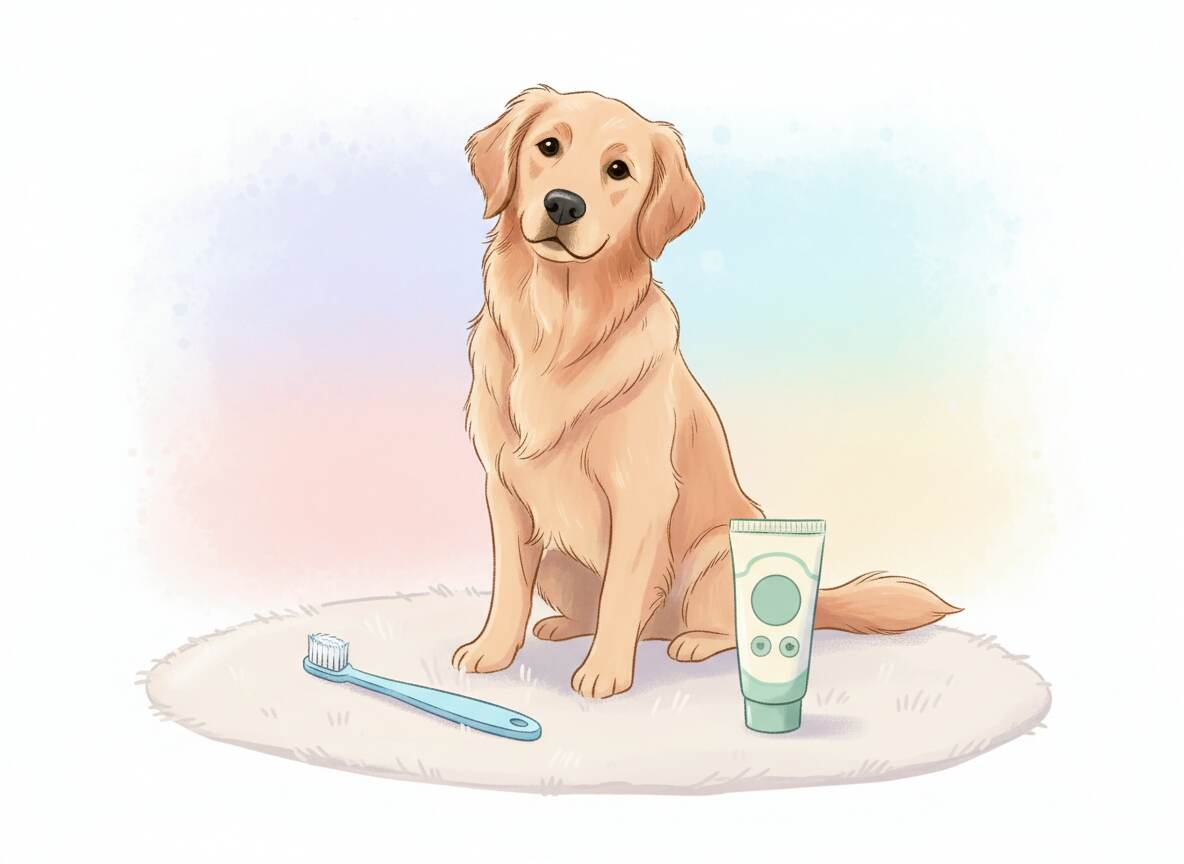
If you have ever caught a whiff of your dog’s breath and wondered whether it was normal, you are definitely not alone. A lot of loving dog owners do not think much about dental care until they notice something seems off: bad breath, yellow buildup on the teeth, red gums, or a dog who suddenly seems less interested in chewing. The truth is, brushing your dog’s teeth is one of those small habits that can make a very big difference over time.
The short answer is simple: ideally, you should brush your dog’s teeth every day. That is the gold standard because plaque starts building up quickly, and daily brushing gives you the best chance of removing it before it hardens into tartar. If daily brushing is not realistic, brushing at least three times a week is still far better than doing nothing at all. What matters most is building a routine you can actually keep.
Why brushing your dog’s teeth matters more than many owners realize
It is easy to think of dental care as a bonus part of pet care rather than a basic one, but a dog’s mouth affects a lot more than just breath. When plaque sits on the teeth for too long, it can harden into tartar. Once that happens, it cannot simply be brushed away at home. Over time, that buildup can irritate the gums, cause inflammation, and eventually lead to periodontal disease.
That matters because dental disease is not just a cosmetic issue. It can be painful. It can make eating uncomfortable. It can lead to loose teeth, infection, and expensive veterinary treatment. Some dogs keep eating and acting fairly normal even when their mouths are sore, which means dental problems can go unnoticed longer than owners expect. By the time a dog is clearly showing discomfort, the issue may already be fairly advanced.
This is why regular brushing is so valuable. It is not about making your dog’s teeth look perfect. It is about reducing buildup, protecting the gums, and lowering the chances of painful problems later on.
Is every day really necessary?
In an ideal world, yes. Daily brushing is the best option because plaque can begin forming within a day after eating. Just like with people, consistency matters more than occasional effort. Brushing once in a while may make you feel better in the moment, but it usually is not enough to meaningfully control plaque.
That said, real life is real life. Some dogs hate having their mouths touched. Some owners are juggling work, children, health issues, or a dozen other daily responsibilities. If brushing every single day feels impossible right now, that does not mean the effort is pointless. Even a few times a week can help, especially if you are just getting started.
The best mindset is not perfection. It is consistency. A simple routine you can stick with is always going to be more helpful than an ambitious plan that falls apart after a week.
Do some dogs need more dental care than others?
Yes, and this is something many owners do not hear enough about. Some dogs are naturally more prone to dental problems, which means regular brushing becomes even more important for them.
Small breeds often have a harder time with dental health because their teeth can be more crowded together. When teeth sit tightly in a small mouth, plaque and tartar can build up more easily in the spaces between them. Older dogs also tend to need more support because dental issues accumulate over time. If your dog already has visible tartar, inflamed gums, or a history of dental trouble, brushing matters even more.
Flat-faced breeds can also be more vulnerable because the shape of the jaw may lead to crowding or alignment issues. Even within the same breed, though, individual dogs can be very different. Some seem to have naturally cleaner mouths for longer, while others start showing buildup surprisingly early.
That is why it helps to think of dental care as something personal to your dog rather than a one-size-fits-all rule.
What happens if you do not brush your dog’s teeth?
For some dogs, the effects show up slowly. You may first notice bad breath that seems stronger than usual. Then maybe a yellow or brown film near the gumline. Later, the gums may look red or irritated. In more advanced cases, dogs can develop pain, bleeding, loose teeth, chewing problems, or obvious infection.
One thing that catches owners off guard is that bad breath is often treated like a normal dog thing. Mild dog breath is one thing. Strong, unpleasant, persistent odor is another. Very bad breath is often a sign that bacteria and dental disease are becoming a real problem.
Without regular home care, many dogs eventually need professional dental cleaning under veterinary supervision. Sometimes that is enough. In more serious cases, damaged teeth may need to be removed. This is one of the reasons prevention matters so much. Brushing is a small task compared with the stress, cost, and discomfort of advanced dental treatment.
How to start if your dog hates tooth brushing
This is probably the part that stops most people. A lot of dogs do not enjoy tooth brushing at first, and a lot of owners give up because the first few attempts feel awkward, messy, or impossible. That is completely understandable. The good news is that many dogs can learn to tolerate brushing surprisingly well if the process is slow and calm.
The biggest mistake is trying to do too much too soon. If you go straight from no mouth handling at all to a full brushing session, most dogs are going to resist. Instead, start by helping your dog feel comfortable with the idea of having the mouth touched. Let them taste a dog-safe toothpaste from your finger. Gently lift the lip for a second, then praise them. Rub along the outside of the teeth with your finger before introducing a brush.
At first, even brushing a few teeth is enough. The goal in the beginning is not perfection. It is building trust. Short, positive sessions work much better than long, frustrating ones. If your dog stays calm for ten seconds, that is progress. If you can brush a little more the next day, even better.
Most dogs do not need the inside surfaces of the teeth brushed as thoroughly as the outside surfaces, since that is where plaque tends to build up most visibly. That makes the process a little easier for beginners.
What should you use to brush your dog’s teeth?
Always use a toothpaste made specifically for dogs. This is important. Human toothpaste is not safe for dogs because it may contain ingredients that should not be swallowed, including xylitol, which is toxic to dogs.
A soft dog toothbrush works well for many pets, but some owners find a finger brush easier when their dog is still learning. There is no prize for using the most professional-looking tool. The best option is the one that lets you brush gently and consistently without turning it into a battle.
Some dog toothpastes are flavored in ways dogs find more appealing, which can make the routine easier. A toothpaste your dog tolerates is often more useful than one that sounds impressive but causes instant resistance.
If you cannot brush daily, what else can help?
Brushing is still the most effective home habit for controlling plaque, but there are other tools that can support your routine. Dental chews, dental wipes, water additives, and certain vet-recommended dental diets may all help reduce buildup to some extent. They are best seen as support, not a full replacement for brushing.
This matters because marketing around dental products can make owners feel as though a chew alone is enough. Sometimes these products do help, and some are genuinely useful, but they usually do not clean the teeth as thoroughly as brushing does. If your dog absolutely will not tolerate a toothbrush yet, these options can still be a helpful step in the right direction while you work on training and comfort.
Signs your dog may need a vet, not just a toothbrush
Home dental care is valuable, but it has limits. If your dog already has heavy tartar, bleeding gums, obvious pain, swelling, loose teeth, or difficulty eating, brushing alone is not going to solve the problem. In some cases, trying to brush a painful mouth may even make your dog more fearful of the process.
A veterinary check is the better next step if you notice persistent bad breath, red gums, brown buildup near the gumline, drooling, mouth sensitivity, chewing on one side, dropping food, or reluctance to eat crunchy food. These are signs that something more than simple surface plaque may be going on.
Professional dental cleaning can remove tartar from places a toothbrush cannot reach, especially below the gumline. Think of brushing as prevention and maintenance, not a cure for established dental disease.
So, how often should you brush your dog’s teeth?
If you want the clearest answer, it is this: brush your dog’s teeth every day if you can. If you cannot, aim for at least three times a week and build from there. The more consistent you are, the better the results are likely to be.
What matters most is not doing it perfectly from day one. It is starting, going gently, and treating dental care as a normal part of looking after your dog. Over time, that small routine can help protect your dog from pain, improve overall comfort, and make a real difference to long-term health.
For something that takes only a few minutes, it is one of the kindest habits you can build.