<?xml version="1.0" encoding="utf-8"?>
<feed xmlns="http://www.w3.org/2005/Atom" xmlns:media="http://search.yahoo.com/mrss/">
    <title>Supawcute</title>
    <link href="https://supawcute.com/feed.xml" rel="self" />
    <link href="https://supawcute.com" />
    <updated>2026-04-06T14:48:18+01:00</updated>
    <author>
        <name>Supawcute</name>
    </author>
    <id>https://supawcute.com</id>

    <entry>
        <title>Why Does My Cat Follow Me Everywhere?</title>
        <author>
            <name>Supawcute</name>
        </author>
        <link href="https://supawcute.com/why-does-my-cat-follow-me-everywhere/"/>
        <id>https://supawcute.com/why-does-my-cat-follow-me-everywhere/</id>
        <media:content url="https://supawcute.com/media/posts/4/why-cat-follow-everywhere-supawcute.jpg" medium="image" />
            <category term="Cat Care"/>

        <updated>2026-04-06T14:48:12+01:00</updated>
            <summary type="html">
                <![CDATA[
                        <img src="https://supawcute.com/media/posts/4/why-cat-follow-everywhere-supawcute.jpg" alt="" />
                    If your cat seems to appear every time you stand up, walk into the kitchen, head to the bathroom, or&hellip;
                ]]>
            </summary>
        <content type="html">
            <![CDATA[
                    <p><img src="https://supawcute.com/media/posts/4/why-cat-follow-everywhere-supawcute.jpg" class="type:primaryImage" alt="" /></p>
                <p>If your cat seems to appear every time you stand up, walk into the kitchen, head to the bathroom, or move from one room to another, you are not imagining it. Some cats really do follow their people everywhere. It can feel sweet, funny, clingy, or a little confusing, especially if the behavior is new. In most cases, it is completely normal. Cats are often more socially aware and routine-driven than people expect.</p>
<h2>Your cat may simply feel attached to you</h2>
<p>One of the most common reasons a cat follows a person around is attachment. Cats do form strong bonds with people, even if they show it in quieter ways than dogs. A cat that trails behind you may see you as a source of safety, comfort, predictability, and interest. They may like your voice, your habits, your scent, and the fact that being near you feels secure.</p>
<p>Some cats also choose a favorite person. That does not always mean they dislike everyone else. It often just means one person feeds them most often, plays with them more, has a calmer energy, or fits their comfort zone better.</p>
<h2>Routine matters more than many owners realize</h2>
<p>Cats are excellent observers of patterns. If you usually feed them after getting out of bed, give treats when you enter the kitchen, or sit on the couch at the same time every evening, your cat learns those rhythms quickly. Following you may be less about clinginess and more about anticipation. They are watching for what happens next.</p>
<p>This is why many cats become little shadows around meal times, treat routines, or bedtime. They are not being manipulative. They are responding to habits that have become meaningful in their day.</p>
<h2>Curiosity plays a big role</h2>
<p>Cats are naturally curious. When you move, you become interesting. A closed door, a rustling bag, running water, a drawer opening, or a trip into a room they do not usually access can all trigger that curiosity. Some cats follow because they want to inspect whatever you are doing. In their minds, your activity might mean food, play, a new object, or a change in the environment.</p>
<p>This is especially common in intelligent, active, or younger cats who need more stimulation. For them, following you is part social behavior and part entertainment.</p>
<h2>Your cat may be bored or under-stimulated</h2>
<p>A cat that does not have enough enrichment may start using you as the most exciting part of the day. If they lack climbing options, puzzle feeders, window views, toys that rotate, or regular play sessions, they may follow you simply because you are the main event.</p>
<p>This does not mean you are doing anything wrong. Indoor cats especially need more mental stimulation than many people realize. A cat that follows you from room to room may be asking for interaction, novelty, or a chance to burn energy.</p>
<h2>Hunger and food association are common reasons</h2>
<p>Sometimes the answer is very simple. Your cat follows you because you are the food person. Even if they are not starving, they may have learned that your movement predicts meals, snacks, wet food, or treats. Cats are very good at connecting people with resources.</p>
<p>If the following happens mostly in the kitchen, near feeding times, or when you open certain cabinets, food association is probably part of the picture.</p>
<h2>Some cats like supervision and social proximity</h2>
<p>Not every cat follows because they want active attention. Some just prefer to be nearby. They may sit in the same room, watch you fold laundry, wait outside the shower, or settle near your desk while you work. This kind of quiet companionship is common in bonded cats. They are not necessarily asking for petting every second. They just want to keep you in view.</p>
<p>For many cats, being near their person is reassuring. It lets them relax while still staying aware of what is happening around them.</p>
<h2>Personality makes a difference</h2>
<p>Some cats are naturally more independent, while others are more social, vocal, and people-focused. Breed tendencies can play a role too. Siamese, Burmese, Ragdolls, and some other breeds are often described as especially people-oriented, though every cat is still an individual.</p>
<p>A confident, affectionate cat may follow you because that is simply who they are. A shy cat may follow only the person they trust most. Personality shapes the behavior just as much as routine does.</p>
<h2>Age can change how clingy a cat seems</h2>
<p>Kittens often follow people out of curiosity, playfulness, and developing attachment. Adult cats may do it because of routine, affection, or habit. Senior cats can become more attached for different reasons, including reduced confidence, sensory changes, or a stronger need for reassurance.</p>
<p>If an older cat suddenly starts following you much more than usual, it is worth paying closer attention. Sometimes this is harmless, but sudden behavior changes in senior cats can also be linked to discomfort, confusion, vision or hearing decline, or other health changes.</p>
<h2>Stress and anxiety can increase following behavior</h2>
<p>Cats often become more clingy when something in their world feels off. A move, new pet, new baby, visitors, loud construction, schedule changes, or tension in the home can all affect behavior. Some cats hide when stressed. Others become unusually attached and want constant proximity.</p>
<p>If your cat has started following you more after a change in the home, they may be using your presence as a source of stability. In that case, the behavior is not random. It may be their way of coping.</p>
<h2>Medical issues can sometimes be part of the reason</h2>
<p>A cat that suddenly becomes unusually clingy, vocal, restless, or needy should not always be brushed off as extra affection. Sometimes cats follow their owners more when they are not feeling well. Pain, nausea, cognitive changes, high blood pressure, thyroid issues, or other medical problems can affect behavior.</p>
<p>This is especially important if the following is new and comes with other changes like appetite shifts, weight loss, hiding, litter box issues, confusion, nighttime restlessness, or unusual vocalizing. In those cases, a vet check is the safest next step.</p>
<h2>Why cats follow people into the bathroom</h2>
<p>This one is so common it almost deserves its own category. Bathrooms are full of cat intrigue: closed doors, cool floors, dripping faucets, unusual routines, and a captive human who is sitting still for once. Some cats also dislike barriers and want access to every part of their territory. If you close the door, that can make the room even more interesting.</p>
<p>For some cats, bathroom following is also about predictability. They know where you are, they know you will be there for a minute, and they may see it as a good chance for attention.</p>
<h2>When it is normal and when it is not</h2>
<p>Following behavior is usually normal when your cat seems relaxed, healthy, and otherwise like themselves. A cat who follows you, naps nearby, asks for food, or watches what you are doing is often just being social in a very cat-like way.</p>
<p>It becomes more concerning when the behavior is sudden, intense, or paired with other changes. If your cat seems distressed when they cannot reach you, cries constantly, paces, stops eating, hides between episodes of clinginess, or seems confused, that is different from ordinary attachment.</p>
<h2>How to respond without encouraging unhealthy dependence</h2>
<p>If your cat follows you because they enjoy your company, there is no need to stop it. In many homes, this is just part of life with a bonded cat. What matters is making sure the behavior comes from comfort and normal social connection, not stress or unmet needs.</p>
<p>A good response is to support your cat's emotional and mental health overall. Give them regular play, predictable feeding times, cozy resting spots, vertical space, scratching areas, and some independent enrichment. That way, your presence stays important without becoming their only source of stimulation.</p>
<p>If your cat seems overly dependent, try adding more structured play, food puzzles, window perches, and short positive activities they can enjoy without you. The goal is not to make them distant. It is to help them feel secure and fulfilled.</p>
<h2>A clingy cat is not always a spoiled cat</h2>
<p>A lot of owners worry they have somehow created the behavior by giving too much attention. Usually that is not the right way to think about it. Cats are individuals with social needs, habits, and emotional patterns. A cat who follows you may be affectionate, curious, hungry, bored, stressed, or simply attached to your routine.</p>
<p>The real question is not whether the behavior is annoying or flattering. It is whether it fits the rest of your cat's behavior and health. If it does, it is probably just one of the many ways your cat chooses to be close to you.</p>
<h2>Final thoughts</h2>
<p>If your cat follows you everywhere, the reason is often a mix of affection, habit, curiosity, and comfort. Cats may act independent, but many of them genuinely like being near their people. In a lot of cases, being followed from room to room is not a problem at all. It is a quiet little sign that your cat sees you as part of their safe world.</p>
<p>Still, sudden clinginess should always be taken seriously, especially if something else feels off. When behavior changes come out of nowhere, it is worth looking at stress, routine changes, and possible health issues. A cat shadow can be adorable, but it can also be a clue. Paying attention to the full picture matters most.</p>
            ]]>
        </content>
    </entry>
    <entry>
        <title>Why Does My Cat’s Breath Smell Bad?</title>
        <author>
            <name>Supawcute</name>
        </author>
        <link href="https://supawcute.com/why-does-my-cats-breath-smell-bad/"/>
        <id>https://supawcute.com/why-does-my-cats-breath-smell-bad/</id>
        <media:content url="https://supawcute.com/media/posts/3/why-cat-breath-so-bad-supawcute.jpg" medium="image" />
            <category term="Cat Care"/>

        <updated>2026-04-06T14:42:46+01:00</updated>
            <summary type="html">
                <![CDATA[
                        <img src="https://supawcute.com/media/posts/3/why-cat-breath-so-bad-supawcute.jpg" alt="" />
                    If your cat’s breath has suddenly gone from mildly unpleasant to something strong, sour, rotten, fishy, or just impossible to&hellip;
                ]]>
            </summary>
        <content type="html">
            <![CDATA[
                    <p><img src="https://supawcute.com/media/posts/3/why-cat-breath-so-bad-supawcute.jpg" class="type:primaryImage" alt="" /></p>
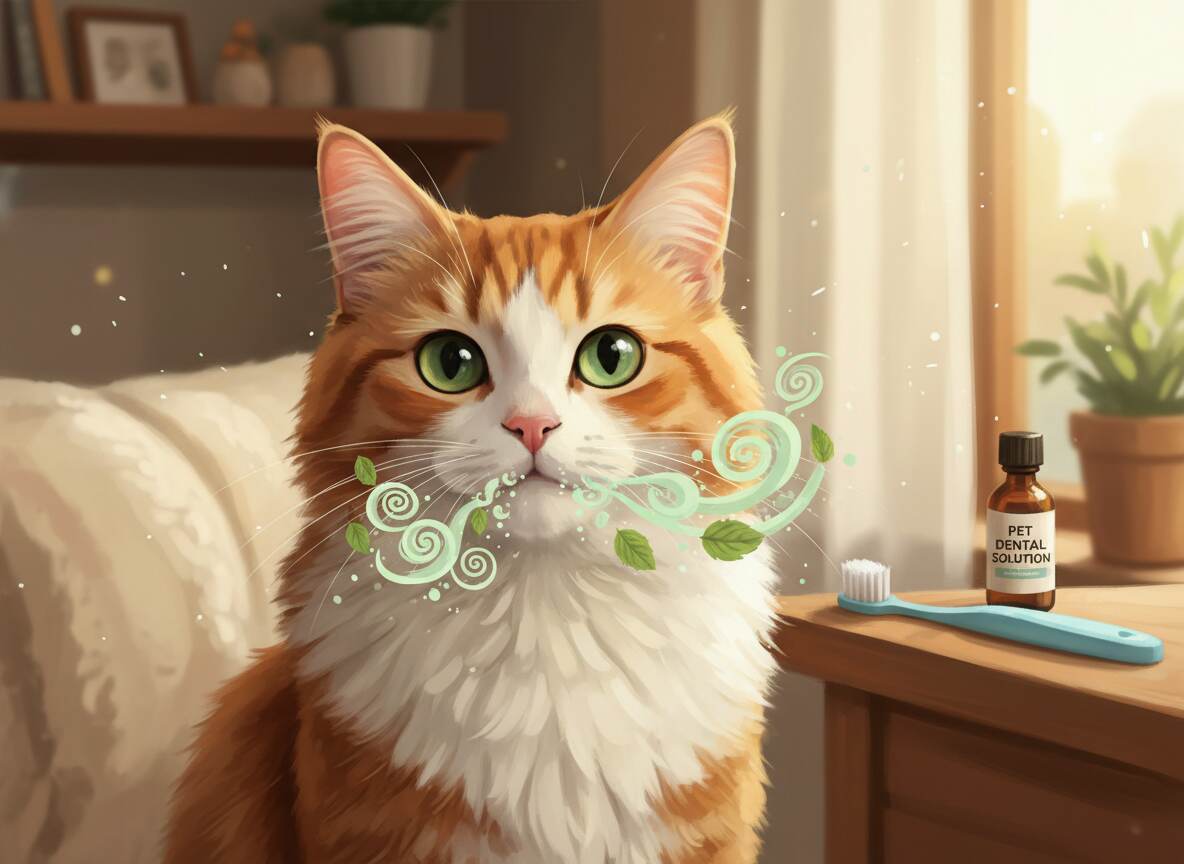
                <p>If your cat’s breath has suddenly gone from mildly unpleasant to something strong, sour, rotten, fishy, or just impossible to ignore, you are not overreacting. A lot of cat owners notice bad breath and assume it is normal because cats eat meat, groom themselves constantly, and are not exactly known for minty-fresh mouths. But while a cat’s breath is not supposed to smell like toothpaste, very bad breath usually is not something to shrug off.</p>
<p>In many cases, bad breath in cats is a sign that something is going on in the mouth. Dental disease is one of the most common reasons, especially as cats get older. Plaque builds up, tartar forms, bacteria multiply, and the gums become irritated. That combination can create a very noticeable smell. But dental disease is not the only possible explanation. Bad breath can also be linked to mouth ulcers, infection, something stuck in the mouth, digestive upset, kidney disease, diabetes, or other health problems.</p>
<p>That is why bad breath matters. It is not just an annoying smell. It can be one of the earliest signs that your cat is uncomfortable, in pain, or dealing with a health issue that needs attention.</p>
<h2>Is bad breath ever normal in cats?</h2>
<p>This is one of the first things most owners want to know, and the honest answer is yes, to a degree. Cats do have a natural mouth smell, especially after eating wet food, fish-based food, or treats with a strong odor. A mild smell after meals is not unusual. Some cats also just have a naturally stronger mouth odor than others without it meaning something is seriously wrong.</p>
<p>What is not normal is breath that smells intensely foul, rotten, metallic, sour, or consistently offensive. If your cat opens their mouth near you and the smell is strong enough to make you pull away, that is usually a clue worth paying attention to. If the odor seems new, stronger than usual, or paired with other changes, it becomes even more important.</p>
<p>Cats are very good at hiding discomfort. They often keep eating, moving around, and acting fairly normal even when something hurts. That means bad breath may show up before more obvious signs do.</p>
<h2>The most common cause: dental disease</h2>
<p>For many cats, the answer starts with the teeth and gums. Plaque forms on the teeth after eating. If it is not removed, it hardens into tartar. Tartar creates a rough surface where bacteria can collect more easily, especially near the gumline. Over time, this can lead to gingivitis, which is inflammation of the gums, and eventually periodontal disease, which affects the tissues supporting the teeth.</p>
<p>As bacteria build and the gums become irritated, the smell often gets worse. Owners may also notice yellow or brown buildup on the teeth, red gums, drooling, chewing changes, or a cat who seems less interested in dry food. Some cats start eating more slowly. Some tilt their heads while chewing. Some stop grooming as well because the mouth hurts.</p>
<p>One of the difficult things about dental disease in cats is that it can be more advanced than owners realize. Cats often do not make a big show of pain. They may still ask for food and try to eat even when the mouth is sore. That is one reason bad breath is such a useful clue.</p>
<h2>Why the smell gets so strong</h2>
<p>It helps to understand what is actually creating the odor. Plaque is made up of bacteria, saliva, and food particles. When it stays on the teeth, it hardens into tartar. Bacteria thrive in that environment, especially when the gums are inflamed or infected. The smell comes from bacterial activity, trapped debris, irritated tissue, and sometimes infection deeper in the mouth.</p>
<p>This is also why breath-freshening treats or water additives may only help for a short time. If the underlying issue is still there, the smell usually returns. A temporary improvement in odor does not always mean the real problem has been solved.</p>
<h2>Gingivitis and periodontal disease in cats</h2>
<p>Cats are especially prone to gum problems, and gingivitis can develop earlier than many owners expect. In the early stages, the gums may look slightly red where they meet the teeth. As inflammation worsens, the gums may bleed more easily, become swollen, and start to pull away from the teeth. Once the deeper tissues are involved, periodontal disease can lead to pain, infection, and even tooth loss.</p>
<p>This matters because bad breath is often one of the first signs owners notice, while the disease itself may already be progressing below the surface. A cat with periodontal disease may not just have smelly breath. They may have chronic discomfort every time they eat, groom, yawn, or close their mouth.</p>
<h2>Other mouth-related causes of bad breath</h2>
<p>Dental disease is common, but it is not the only mouth problem that can cause odor. Cats can also develop bad breath from mouth ulcers, oral infections, broken teeth, resorptive lesions, tumors, or something stuck between the teeth. Some of these issues are surprisingly painful, even if the cat is trying hard not to show it.</p>
<p>Mouth ulcers can make the breath smell especially unpleasant because the tissue is inflamed and damaged. Infections can create a strong rotten odor. A broken tooth can expose sensitive tissue and allow bacteria in. Something as simple as a bit of food or debris lodged in the mouth can also create a smell if it stays there and irritates the area.</p>
<p>Cats with oral pain may drool, paw at the mouth, avoid crunchy food, chew awkwardly, or seem less interested in grooming. Some become quieter or more withdrawn. Others may still act normal except for the smell.</p>
<h2>A condition many cat owners have never heard of: tooth resorption</h2>
<p>One reason cat dental problems can be confusing is that cats are prone to a painful condition called tooth resorption. This happens when part of the tooth begins to break down. It can affect one tooth or several, and it is often very painful. Some cats with tooth resorption have bad breath, mouth sensitivity, chattering when the mouth is touched, or sudden reluctance to eat certain foods.</p>
<p>The frustrating part is that these lesions are not always obvious from the outside. A tooth may look mostly normal to an owner while still being very painful. That is one reason a cat with bad breath and subtle eating changes may still need a proper veterinary dental exam.</p>
<h2>Could food be causing the smell?</h2>
<p>Sometimes, yes, but usually not on its own. Fish-based foods, wet foods, and certain treats can leave a stronger odor in the mouth for a while. If your cat has just eaten something pungent, the breath may smell stronger temporarily. That is not unusual.</p>
<p>But food alone usually does not cause severe, ongoing bad breath. If the smell is persistent, strong, or worsening, there is often something more going on than dinner. It is easy to blame the food because that feels simple, but chronic bad breath usually deserves a closer look at the mouth and overall health.</p>
<h2>Can hairballs or stomach issues cause bad breath?</h2>
<p>Sometimes digestive issues can affect breath, especially if a cat is vomiting, regurgitating, or dealing with frequent stomach upset. A cat that is bringing food back up may have a sour smell on the breath. Chronic nausea can also change how the mouth smells, especially if the cat is not eating normally or is drooling more.</p>
<p>Hairballs themselves are not usually the main cause of ongoing bad breath, even though they are often blamed. A cat who coughs up hairballs occasionally may have temporary odor around the mouth, but persistent bad breath is more often linked to dental or medical issues than to hairballs alone.</p>
<h2>When bad breath may signal something more serious</h2>
<p>This is the part that owners understandably worry about, and while it is important not to panic, it is also important not to ignore unusual breath smells. Certain medical conditions can change the odor of a cat’s breath in ways that may offer clues.</p>
<p>Cats with kidney disease may develop breath that smells ammonia-like or urine-like. Cats with diabetes can sometimes have breath that smells sweet or fruity. Severe mouth infection, digestive disease, and other illnesses can also affect breath odor. If your cat’s breath smells unusually strange rather than just bad, or if the smell comes with weight loss, increased thirst, vomiting, lethargy, or appetite changes, it is a good idea to contact a vet.</p>
<h2>Signs to watch for besides the smell</h2>
<p>Bad breath becomes more meaningful when it appears alongside other symptoms. Red gums, drooling, pawing at the mouth, chewing on one side, dropping food, eating more slowly, avoiding hard food, weight loss, reduced grooming, and visible tartar can all point toward a mouth problem.</p>
<p>Some cats also hide under furniture more, seem less social, or stop playing as much when they are in pain. Others become irritable when touched around the face. Because cats are subtle, these small changes matter.</p>
<h2>Can you brush a cat’s teeth to help bad breath?</h2>
<p>Yes, brushing can help, and it is one of the best things owners can do at home for long-term dental health. But cat tooth brushing is often easier said than done. Some cats tolerate it surprisingly well if they are introduced to it slowly. Others act as if you have personally betrayed them forever.</p>
<p>If your cat is willing, brushing with a cat-safe toothpaste can help remove plaque before it hardens into tartar. That matters because plaque is one of the main drivers of bad breath. Daily brushing is ideal, but even a few times a week can be helpful if your cat accepts it.</p>
<p>The key is to go slowly. Let your cat taste the toothpaste first. Get them used to having the lips touched. Start with a finger brush or soft brush and focus on the outside surfaces of the teeth. Keep sessions short and calm. Trying to force a full dental routine on a stressed cat usually backfires.</p>
<p>It is also important to use only toothpaste made for pets. Human toothpaste is not safe for cats to swallow, and some ingredients can be harmful.</p>
<h2>Do dental treats and water additives work for cats?</h2>
<p>They can help in some cases, but they are often oversold. Dental treats may reduce some surface buildup for certain cats, especially if the product is designed specifically for oral health and the cat actually chews it rather than swallowing it quickly. Water additives may improve odor a little for some cats. Dental gels and wipes can also be useful for cats who will not tolerate a brush.</p>
<p>Still, these products are best thought of as support tools rather than complete solutions. If your cat already has significant tartar, inflamed gums, mouth pain, or a deeper dental problem, a treat is not going to fix that. It may make the breath smell slightly better for a while, but the underlying issue often remains.</p>
<p>That does not mean these products are pointless. They can be part of a realistic home routine. But they should not create a false sense that a serious dental problem is being handled when it is not.</p>
<h2>What if my cat will not let me near the mouth?</h2>
<p>That is extremely common, and it does not mean you are doing anything wrong. Cats are sensitive about their faces, and a painful mouth makes that even harder. If your cat refuses mouth handling, the first step is not to force it. Instead, focus on what you can observe from a distance. Is your cat drooling? Eating more slowly? Turning away from dry food? Pawing at the mouth? Grooming less? Acting uncomfortable after meals?</p>
<p>If the breath smells bad and your cat will not let you look or touch the mouth at all, there is a good chance discomfort is part of the picture. In that situation, a veterinary exam is often more useful than continuing to push at home.</p>
<h2>Could the food bowl be part of the problem?</h2>
<p>Sometimes the smell is not entirely coming from inside the body. Wet food residue around the mouth, food stuck in the fur, or a bowl that is not cleaned often enough can all contribute to unpleasant smells around the face. This is especially true in flat-faced cats or cats who are messy eaters.</p>
<p>That said, this kind of odor is usually easier to identify because it tends to smell like old food rather than deep mouth odor. If the smell seems to come directly from the breath and keeps returning even after your cat has cleaned up, the cause is more likely to be inside the mouth or body.</p>
<h2>When bad breath points to pain</h2>
<p>One of the biggest reasons not to ignore bad breath in cats is that it often goes hand in hand with pain. Cats are masters at hiding discomfort, so the signs may be subtle. A cat may still come running for dinner but then hesitate once the food is in front of them. They may chew on one side, drop kibble, lick their lips after trying to eat, or walk away and come back later.</p>
<p>Some cats stop grooming properly because licking becomes uncomfortable. Others become less social, sleep more, or seem grumpier than usual. These changes can be easy to miss if they happen gradually. Bad breath may be one of the few obvious signs that something is wrong.</p>
<h2>When to call the vet</h2>
<p>If your cat’s bad breath is strong, persistent, or getting worse, it is worth contacting your vet. You should be especially cautious if you also notice red gums, drooling, mouth sensitivity, visible tartar, weight loss, reduced appetite, vomiting, increased thirst, or changes in behavior.</p>
<p>A vet can check for dental disease, infection, ulcers, resorptive lesions, broken teeth, oral masses, and signs of medical problems that may be affecting the breath. In many cases, a professional dental cleaning may be recommended if tartar buildup is already significant.</p>
<p>This is important because dental disease often extends below the gumline, where you cannot see it and where home care cannot reach. A cat may need more than a simple cleaning if there are damaged teeth or painful lesions involved.</p>
<h2>Why home care is still worth it</h2>
<p>Even if your cat eventually needs a professional dental cleaning, home care still matters. It helps with prevention, supports long-term oral health, and may reduce how quickly plaque builds up again after treatment. A lot of owners feel discouraged when they hear their cat needs veterinary dental work, as if brushing or treats somehow failed. But some cats are simply more prone to dental problems, and many owners were never shown what early warning signs look like.</p>
<p>The goal is not perfection. The goal is noticing problems early, reducing discomfort, and building a routine that helps your cat stay healthier over time.</p>
<h2>How to help prevent bad breath long term</h2>
<p>The best long-term approach is a mix of regular observation, home dental care where possible, and veterinary attention when needed. If your cat tolerates brushing, that is one of the most effective habits you can build. If not, other dental support products may still be worth discussing with your vet. Routine checkups matter too, especially as cats get older.</p>
<p>It also helps to get familiar with what is normal for your own cat. Some owners only notice bad breath once it becomes severe because they are not used to checking the mouth area. A quick look now and then, along with paying attention to eating and grooming habits, can help you catch changes sooner.</p>
<h2>The bottom line</h2>
<p>If your cat’s breath smells bad, there is usually a reason. Most often, that reason is dental disease or another mouth problem, not just normal cat breath. Sometimes the cause is relatively simple. Other times, it may point to pain, infection, or a health issue that needs prompt attention.</p>
<p>The most helpful thing you can do is take the smell seriously without panicking. Look for other clues, think about your cat’s eating and grooming habits, and do not ignore breath that is strong, persistent, or clearly different from usual. Cats are subtle, and bad breath is often one of the clearest signs they give us that something is not right.</p>
<p>It may seem like a small issue at first, but in many cases, it is one of the best early warnings you can catch.</p>
            ]]>
        </content>
    </entry>
    <entry>
        <title>Why Does My Dog Have Bad Breath?</title>
        <author>
            <name>Supawcute</name>
        </author>
        <link href="https://supawcute.com/why-does-my-dog-have-bad-breath/"/>
        <id>https://supawcute.com/why-does-my-dog-have-bad-breath/</id>
        <media:content url="https://supawcute.com/media/posts/2/why-does-dog-have-bad-breath-supawcute.jpg" medium="image" />
            <category term="Dog Care"/>

        <updated>2026-04-06T14:36:04+01:00</updated>
            <summary type="html">
                <![CDATA[
                        <img src="https://supawcute.com/media/posts/2/why-does-dog-have-bad-breath-supawcute.jpg" alt="" />
                    If your dog’s breath has suddenly gone from normal dog smell to something sharp, sour, fishy, rotten, or just plain&hellip;
                ]]>
            </summary>
        <content type="html">
            <![CDATA[
                    <p><img src="https://supawcute.com/media/posts/2/why-does-dog-have-bad-breath-supawcute.jpg" class="type:primaryImage" alt="" /></p>
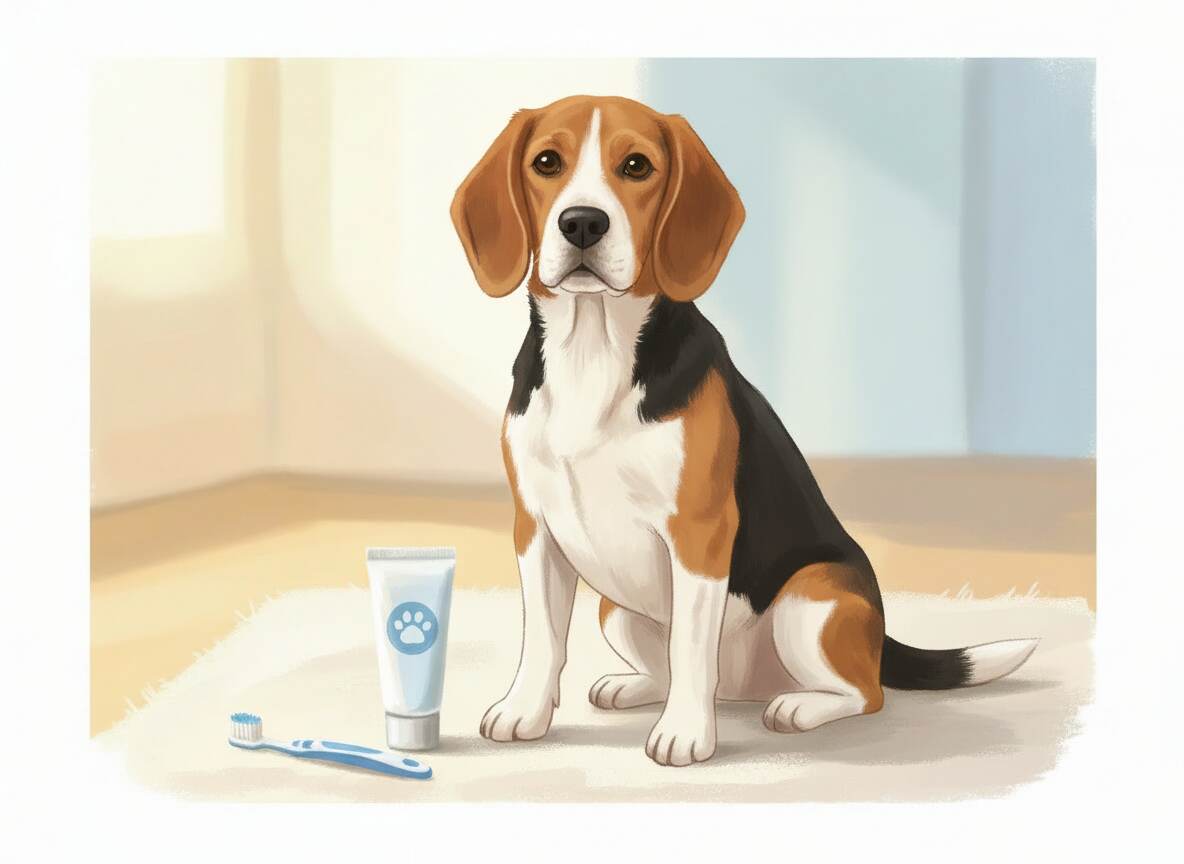
                <p>If your dog’s breath has suddenly gone from normal dog smell to something sharp, sour, fishy, rotten, or just plain overwhelming, you are not imagining it. A lot of dog owners notice bad breath and assume it is just part of having a dog, but that is not always true. Mild dog breath can be normal. Strong, persistent, unpleasant breath usually means something is going on in your dog’s mouth, diet, or overall health that deserves a closer look.</p>
<p>The most common reason dogs develop bad breath is dental disease. Plaque builds up on the teeth, hardens into tartar, irritates the gums, and creates the perfect environment for bacteria to grow. That bacteria is often what causes the smell. But dental disease is not the only possible cause. Sometimes bad breath can be linked to something your dog ate, an oral injury, digestive upset, infection, or even a more serious health problem.</p>
<p>That is why bad breath is worth paying attention to. It is not just about smell. It can be an early clue that your dog is uncomfortable, needs better dental care, or should be seen by a vet.</p>
<h2>Is bad breath ever normal in dogs?</h2>
<p>This is one of the biggest questions owners have, and the answer is yes, to a point. Dogs do not have minty-fresh breath, and nobody expects them to. A normal dog mouth may have a mild odor, especially after meals, after chewing treats, or first thing in the morning. That alone is not usually a reason to panic.</p>
<p>What is not normal is breath that smells unusually strong, foul, rotten, metallic, or consistently offensive. If the smell makes you pull away every time your dog pants near you, that is usually a sign something needs attention. Bad breath that lingers day after day is different from ordinary dog breath.</p>
<p>It also matters whether the smell is new. If your dog’s breath has always been mild and suddenly becomes much worse, that change is worth noticing. Sudden changes often tell you more than a long-standing mild odor.</p>
<h2>The most common cause: dental disease</h2>
<p>For most dogs, bad breath starts in the mouth. Plaque begins forming on the teeth very quickly after eating. If it is not removed with regular brushing or other dental care, it can harden into tartar. Once tartar builds up, bacteria collect around the teeth and gums more easily.</p>
<p>This can lead to gingivitis, which is inflammation of the gums, and eventually periodontal disease, which affects the deeper structures supporting the teeth. As this happens, the smell often gets worse. Owners may also notice yellow or brown buildup on the teeth, red gums, bleeding, drooling, or discomfort when chewing.</p>
<p>One tricky thing about dental disease is that dogs often hide pain well. A dog may still eat, play, and act cheerful even while dealing with a sore mouth. That means bad breath may be one of the first signs owners notice.</p>
<p>If your dog has bad breath and visible tartar, dental disease is one of the first things to suspect.</p>
<h2>Plaque, tartar, and bacteria: why the smell gets so strong</h2>
<p>It helps to understand what is actually causing the odor. Plaque is a sticky film made up of bacteria, food particles, and saliva. If it is not removed, it hardens into tartar. Tartar creates rough surfaces where even more bacteria can collect. Over time, this bacterial buildup irritates the gums and can create infection.</p>
<p>That infection, along with decaying food particles and inflamed tissue, is what often produces the strong smell owners notice. In other words, bad breath is not usually random. It often reflects bacterial overgrowth and inflammation inside the mouth.</p>
<p>This is also why treats or breath-freshening products may only mask the smell for a short time. If the underlying dental problem is still there, the odor usually comes back.</p>
<h2>Other mouth-related causes of bad breath</h2>
<p>Dental disease is the big one, but it is not the only oral cause. Dogs can also develop bad breath from mouth injuries, broken teeth, oral growths, food trapped between teeth, or infections in the mouth. Puppies may sometimes have temporary odor as they lose baby teeth, but persistent bad breath should still be checked if it seems strong or unusual.</p>
<p>Some dogs chew on sticks, bones, fabric, toys, or random outdoor debris that can damage the mouth or get wedged between teeth. A small object stuck in the mouth can cause irritation, infection, and a very noticeable smell. If your dog suddenly develops bad breath and seems pawing at the mouth, drooling more than usual, or refusing food, something painful may be going on.</p>
<p>Broken teeth are another issue owners sometimes miss. A cracked or damaged tooth can expose sensitive tissue and allow bacteria in, which can lead to infection and odor. Even if the outside of the tooth does not look dramatic, the dog may still be uncomfortable.</p>
<h2>Could it be something my dog ate?</h2>
<p>Sometimes, yes. Dogs are famous for eating things they should not. Garbage, cat poop, spoiled food, dead animals, dirty water, and random things found on walks can all leave behind some truly awful breath. In these cases, the smell may be temporary and improve once the offending item is out of the system and the mouth has had time to clear.</p>
<p>Still, there is a difference between one bad-smelling incident and ongoing bad breath. If your dog got into something disgusting yesterday and the smell fades quickly, that is one thing. If the odor sticks around for days, keeps returning, or comes with other symptoms like vomiting, diarrhea, lethargy, or loss of appetite, it is worth looking deeper.</p>
<p>Dogs who regularly scavenge may also be more prone to dental and digestive issues, so repeated bad breath should not automatically be blamed on “just eating gross stuff.”</p>
<h2>Can stomach problems cause bad breath?</h2>
<p>Sometimes people assume bad breath must be coming from the stomach, but in dogs, mouth problems are usually more common than digestive causes. That said, digestive issues can sometimes contribute, especially if a dog is vomiting, regurgitating, or dealing with chronic stomach upset.</p>
<p>If food is coming back up into the mouth, or if digestion is not going well, the breath may take on a sour or unpleasant smell. Dogs with acid reflux or repeated vomiting may also have irritated mouths and throats, which can make the odor worse.</p>
<p>Even so, if your dog has bad breath, it is usually smarter to start by thinking about the mouth first rather than assuming it is a stomach issue.</p>
<h2>When bad breath may point to a bigger health problem</h2>
<p>This is the part that can sound scary, but it is important to mention because breath odor can occasionally reflect something more serious. Certain medical conditions can change the way a dog’s breath smells.</p>
<p>For example, some dogs with kidney disease may develop breath that smells ammonia-like or urine-like. Dogs with diabetes can sometimes have breath that smells sweet or fruity. Severe digestive problems, infections, or metabolic illness may also affect breath odor.</p>
<p>This does not mean every case of bad breath is a medical emergency. Most are still related to dental issues. But if the smell is unusual and your dog also seems tired, thirsty, nauseated, off food, losing weight, or generally unwell, it is a good idea to contact your vet rather than focusing only on dental products at home.</p>
<h2>What signs should you look for besides the smell?</h2>
<p>Bad breath becomes more meaningful when you notice it alongside other symptoms. Red gums, bleeding gums, yellow or brown tartar, drooling, chewing on one side, dropping food, sensitivity around the mouth, pawing at the face, and reluctance to eat hard food can all point toward dental trouble.</p>
<p>If your dog seems uncomfortable when you touch the muzzle, stops chewing favorite toys, or suddenly prefers softer food, those are useful clues too. Some dogs also become quieter or more irritable when their mouths hurt.</p>
<p>The smell matters, but the full picture matters more.</p>
<h2>When to call the vet</h2>
<p>If your dog’s bad breath is strong, persistent, or getting worse, it is worth bringing up with your vet. You should be especially cautious if you also notice visible tartar, red or bleeding gums, swelling, loose teeth, mouth pain, trouble eating, vomiting, lethargy, or unusual changes in thirst or appetite.</p>
<p>A vet can look for dental disease, infection, broken teeth, oral masses, and signs that the problem may be linked to something deeper than the mouth. In many cases, a professional dental cleaning is the next step if tartar buildup is already significant.</p>
<h2>Do dental chews, water additives, and breath products actually work?</h2>
<p>This is where a lot of pet owners get mixed messages. Some dental products can help, but they work best as support, not as a complete substitute for brushing or veterinary care. Dental chews may help reduce some surface buildup, especially if they are designed for oral health and your dog chews them properly. Water additives may slightly improve breath in some cases. Dental wipes can also be useful for dogs who are still learning to tolerate a toothbrush.</p>
<p>The problem is that many of these products are marketed as if they solve the whole issue. They usually do not. If your dog already has heavy tartar, inflamed gums, or infection, a chew is not going to reverse that. It may freshen the breath for a while, but the underlying cause often remains.</p>
<p>That does not mean these products are useless. They can be part of a realistic routine, especially for busy owners or dogs who are still in training. But if the smell is strong and persistent, it is important not to rely on breath-freshening products alone.</p>
<h2>What if brushing is impossible right now?</h2>
<p>Some dogs panic when their mouths are touched. Others have had painful dental experiences and are understandably sensitive. If brushing feels impossible at the moment, it helps to think in steps instead of all-or-nothing terms.</p>
<p>Start by getting your dog comfortable with gentle handling around the muzzle and lips. Then introduce dog toothpaste as a treat rather than a task. After that, try rubbing the outside of the teeth with a finger or soft cloth. A finger brush or dental wipe may be easier before moving to a full toothbrush. Progress may be slow, and that is okay.</p>
<p>If your dog already has a painful mouth, home training may not be the first answer. Pain changes behavior. A dog who resists brushing may not be stubborn at all. They may simply be uncomfortable. In that case, a vet visit makes more sense than pushing through at home.</p>
<h2>Can food affect bad breath?</h2>
<p>Yes, but usually not in the way people hope. Switching food may slightly change how your dog’s breath smells, especially if the previous diet was leaving residue in the mouth or causing digestive upset. Some dental diets are specifically designed to support oral health and may help reduce buildup. But for most dogs, food alone will not solve chronic bad breath if dental disease is already present.</p>
<p>Treat choices can matter too. Sticky treats, frequent table scraps, and scavenging habits can all contribute to odor. Dogs who regularly eat things they should not, including garbage or cat litter box contents, may have recurring bad breath for reasons that go beyond simple plaque.</p>
<p>Still, if your dog has ongoing bad breath, it is usually more useful to think about oral hygiene and health first rather than searching for a miracle food.</p>
<h2>Why small dogs often struggle more with bad breath</h2>
<p>Small breeds are especially prone to dental problems, and this is something many owners do not realize until they are already dealing with it. Tiny mouths often mean crowded teeth. Crowded teeth create more places for plaque and tartar to collect. That is one reason small dogs so often develop bad breath earlier and more severely than larger dogs.</p>
<p>Older dogs can also have more noticeable breath issues simply because dental problems build over time. Years of plaque, tartar, and gum irritation add up. If you have a small senior dog with bad breath, dental disease should be high on the list of likely causes.</p>
<h2>When home care is not enough</h2>
<p>There is a point where home care stops being the answer and professional treatment becomes necessary. If your dog has thick tartar, red or bleeding gums, obvious pain, loose teeth, swelling, or a smell that seems extreme, home brushing is not likely to fix the problem by itself. At that stage, your dog may need a professional dental cleaning performed by a veterinarian.</p>
<p>This matters because tartar above the gumline is only part of the story. Dental disease often extends below the gumline, where you cannot see it and where a toothbrush cannot reach. A proper veterinary dental procedure can clean those areas, assess damaged teeth, and address infection or advanced disease.</p>
<p>A lot of owners worry they somehow failed if their dog needs a dental cleaning. That is not a helpful way to look at it. Some dogs are simply more prone to dental issues, and many owners were never taught what good home dental care looks like. The important thing is responding once you notice a problem.</p>
<h2>How to prevent bad breath long term</h2>
<p>The best long-term approach is a combination of routine home care and regular veterinary attention. Brushing your dog’s teeth consistently is still the foundation. Adding helpful support products, choosing dental-friendly habits, and checking your dog’s mouth regularly can all help too.</p>
<p>It is worth getting in the habit of lifting your dog’s lip every now and then just to look. Healthy gums should not appear angry, swollen, or bleed easily. Teeth should not have thick brown buildup near the gumline. Your dog should not seem painful when the mouth is touched. These quick checks can help you catch changes earlier.</p>
<p>Prevention also becomes much easier when started young, but older dogs can still benefit. It is never too late to improve a dental routine, even if you are starting after bad breath has already become noticeable.</p>
<h2>The bottom line</h2>
<p>If your dog has bad breath, there is usually a reason. Most often, that reason is dental disease or another mouth-related issue, not just “dog breath.” Sometimes the cause is something simple and temporary, like eating something gross. Other times, it is a sign your dog needs better dental care or a veterinary exam.</p>
<p>The most helpful thing you can do is take the smell seriously without panicking. Look for other signs, think about your dog’s dental routine, and do not ignore bad breath that is strong, persistent, or getting worse. In many cases, catching the issue early can save your dog pain and make treatment much simpler.</p>
<p>Bad breath may seem like a small problem at first, but it is often one of the clearest clues that your dog’s mouth needs attention.</p>
            ]]>
        </content>
    </entry>
    <entry>
        <title>How Often Should You Brush Your Dog’s Teeth?</title>
        <author>
            <name>Supawcute</name>
        </author>
        <link href="https://supawcute.com/how-often-should-you-brush-your-dogs-teeth/"/>
        <id>https://supawcute.com/how-often-should-you-brush-your-dogs-teeth/</id>
        <media:content url="https://supawcute.com/media/posts/1/how-often-should-you-brush-dogs-teeth-supawcute.jpg" medium="image" />
            <category term="Dog Care"/>

        <updated>2026-04-06T14:26:17+01:00</updated>
            <summary type="html">
                <![CDATA[
                        <img src="https://supawcute.com/media/posts/1/how-often-should-you-brush-dogs-teeth-supawcute.jpg" alt="" />
                    If you have ever caught a whiff of your dog’s breath and wondered whether it was normal, you are definitely&hellip;
                ]]>
            </summary>
        <content type="html">
            <![CDATA[
                    <p><img src="https://supawcute.com/media/posts/1/how-often-should-you-brush-dogs-teeth-supawcute.jpg" class="type:primaryImage" alt="" /></p>
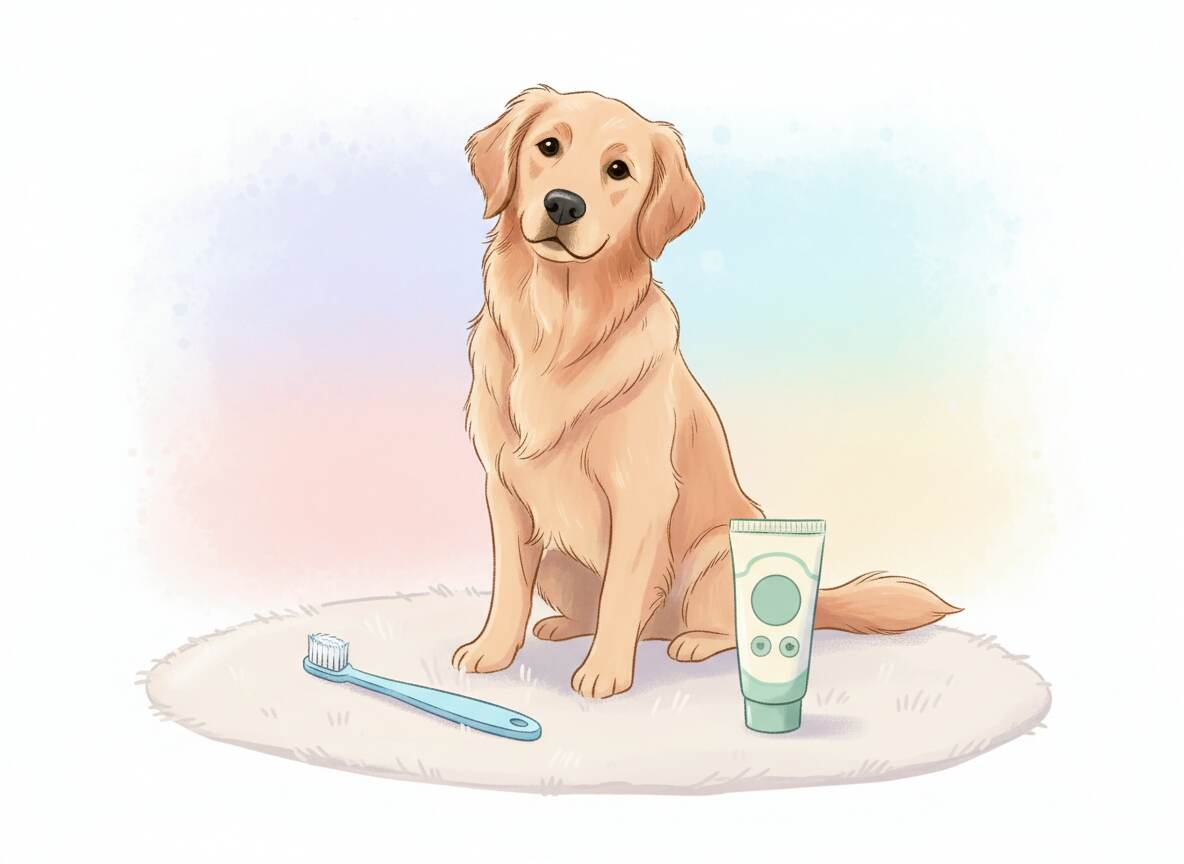
                <p>If you have ever caught a whiff of your dog’s breath and wondered whether it was normal, you are definitely not alone. A lot of loving dog owners do not think much about dental care until they notice something seems off: bad breath, yellow buildup on the teeth, red gums, or a dog who suddenly seems less interested in chewing. The truth is, brushing your dog’s teeth is one of those small habits that can make a very big difference over time.</p>
<p>The short answer is simple: ideally, you should brush your dog’s teeth every day. That is the gold standard because plaque starts building up quickly, and daily brushing gives you the best chance of removing it before it hardens into tartar. If daily brushing is not realistic, brushing at least three times a week is still far better than doing nothing at all. What matters most is building a routine you can actually keep.</p>
<h2>Why brushing your dog’s teeth matters more than many owners realize</h2>
<p>It is easy to think of dental care as a bonus part of pet care rather than a basic one, but a dog’s mouth affects a lot more than just breath. When plaque sits on the teeth for too long, it can harden into tartar. Once that happens, it cannot simply be brushed away at home. Over time, that buildup can irritate the gums, cause inflammation, and eventually lead to periodontal disease.</p>
<p>That matters because dental disease is not just a cosmetic issue. It can be painful. It can make eating uncomfortable. It can lead to loose teeth, infection, and expensive veterinary treatment. Some dogs keep eating and acting fairly normal even when their mouths are sore, which means dental problems can go unnoticed longer than owners expect. By the time a dog is clearly showing discomfort, the issue may already be fairly advanced.</p>
<p>This is why regular brushing is so valuable. It is not about making your dog’s teeth look perfect. It is about reducing buildup, protecting the gums, and lowering the chances of painful problems later on.</p>
<h2>Is every day really necessary?</h2>
<p>In an ideal world, yes. Daily brushing is the best option because plaque can begin forming within a day after eating. Just like with people, consistency matters more than occasional effort. Brushing once in a while may make you feel better in the moment, but it usually is not enough to meaningfully control plaque.</p>
<p>That said, real life is real life. Some dogs hate having their mouths touched. Some owners are juggling work, children, health issues, or a dozen other daily responsibilities. If brushing every single day feels impossible right now, that does not mean the effort is pointless. Even a few times a week can help, especially if you are just getting started.</p>
<p>The best mindset is not perfection. It is consistency. A simple routine you can stick with is always going to be more helpful than an ambitious plan that falls apart after a week.</p>
<h2>Do some dogs need more dental care than others?</h2>
<p>Yes, and this is something many owners do not hear enough about. Some dogs are naturally more prone to dental problems, which means regular brushing becomes even more important for them.</p>
<p>Small breeds often have a harder time with dental health because their teeth can be more crowded together. When teeth sit tightly in a small mouth, plaque and tartar can build up more easily in the spaces between them. Older dogs also tend to need more support because dental issues accumulate over time. If your dog already has visible tartar, inflamed gums, or a history of dental trouble, brushing matters even more.</p>
<p>Flat-faced breeds can also be more vulnerable because the shape of the jaw may lead to crowding or alignment issues. Even within the same breed, though, individual dogs can be very different. Some seem to have naturally cleaner mouths for longer, while others start showing buildup surprisingly early.</p>
<p>That is why it helps to think of dental care as something personal to your dog rather than a one-size-fits-all rule.</p>
<h2>What happens if you do not brush your dog’s teeth?</h2>
<p>For some dogs, the effects show up slowly. You may first notice bad breath that seems stronger than usual. Then maybe a yellow or brown film near the gumline. Later, the gums may look red or irritated. In more advanced cases, dogs can develop pain, bleeding, loose teeth, chewing problems, or obvious infection.</p>
<p>One thing that catches owners off guard is that bad breath is often treated like a normal dog thing. Mild dog breath is one thing. Strong, unpleasant, persistent odor is another. Very bad breath is often a sign that bacteria and dental disease are becoming a real problem.</p>
<p>Without regular home care, many dogs eventually need professional dental cleaning under veterinary supervision. Sometimes that is enough. In more serious cases, damaged teeth may need to be removed. This is one of the reasons prevention matters so much. Brushing is a small task compared with the stress, cost, and discomfort of advanced dental treatment.</p>
<h2>How to start if your dog hates tooth brushing</h2>
<p>This is probably the part that stops most people. A lot of dogs do not enjoy tooth brushing at first, and a lot of owners give up because the first few attempts feel awkward, messy, or impossible. That is completely understandable. The good news is that many dogs can learn to tolerate brushing surprisingly well if the process is slow and calm.</p>
<p>The biggest mistake is trying to do too much too soon. If you go straight from no mouth handling at all to a full brushing session, most dogs are going to resist. Instead, start by helping your dog feel comfortable with the idea of having the mouth touched. Let them taste a dog-safe toothpaste from your finger. Gently lift the lip for a second, then praise them. Rub along the outside of the teeth with your finger before introducing a brush.</p>
<p>At first, even brushing a few teeth is enough. The goal in the beginning is not perfection. It is building trust. Short, positive sessions work much better than long, frustrating ones. If your dog stays calm for ten seconds, that is progress. If you can brush a little more the next day, even better.</p>
<p>Most dogs do not need the inside surfaces of the teeth brushed as thoroughly as the outside surfaces, since that is where plaque tends to build up most visibly. That makes the process a little easier for beginners.</p>
<h2>What should you use to brush your dog’s teeth?</h2>
<p>Always use a toothpaste made specifically for dogs. This is important. Human toothpaste is not safe for dogs because it may contain ingredients that should not be swallowed, including xylitol, which is toxic to dogs.</p>
<p>A soft dog toothbrush works well for many pets, but some owners find a finger brush easier when their dog is still learning. There is no prize for using the most professional-looking tool. The best option is the one that lets you brush gently and consistently without turning it into a battle.</p>
<p>Some dog toothpastes are flavored in ways dogs find more appealing, which can make the routine easier. A toothpaste your dog tolerates is often more useful than one that sounds impressive but causes instant resistance.</p>
<h2>If you cannot brush daily, what else can help?</h2>
<p>Brushing is still the most effective home habit for controlling plaque, but there are other tools that can support your routine. Dental chews, dental wipes, water additives, and certain vet-recommended dental diets may all help reduce buildup to some extent. They are best seen as support, not a full replacement for brushing.</p>
<p>This matters because marketing around dental products can make owners feel as though a chew alone is enough. Sometimes these products do help, and some are genuinely useful, but they usually do not clean the teeth as thoroughly as brushing does. If your dog absolutely will not tolerate a toothbrush yet, these options can still be a helpful step in the right direction while you work on training and comfort.</p>
<h2>Signs your dog may need a vet, not just a toothbrush</h2>
<p>Home dental care is valuable, but it has limits. If your dog already has heavy tartar, bleeding gums, obvious pain, swelling, loose teeth, or difficulty eating, brushing alone is not going to solve the problem. In some cases, trying to brush a painful mouth may even make your dog more fearful of the process.</p>
<p>A veterinary check is the better next step if you notice persistent bad breath, red gums, brown buildup near the gumline, drooling, mouth sensitivity, chewing on one side, dropping food, or reluctance to eat crunchy food. These are signs that something more than simple surface plaque may be going on.</p>
<p>Professional dental cleaning can remove tartar from places a toothbrush cannot reach, especially below the gumline. Think of brushing as prevention and maintenance, not a cure for established dental disease.</p>
<h2>So, how often should you brush your dog’s teeth?</h2>
<p>If you want the clearest answer, it is this: brush your dog’s teeth every day if you can. If you cannot, aim for at least three times a week and build from there. The more consistent you are, the better the results are likely to be.</p>
<p>What matters most is not doing it perfectly from day one. It is starting, going gently, and treating dental care as a normal part of looking after your dog. Over time, that small routine can help protect your dog from pain, improve overall comfort, and make a real difference to long-term health.</p>
<p>For something that takes only a few minutes, it is one of the kindest habits you can build.</p>
            ]]>
        </content>
    </entry>
</feed>